

Honeymoon Murder Cases Fuel Rise in Surveillance of Prospective Brides in Madhya Pradesh.
In Madhya Pradesh, where weddings are traditionally filled with ritual and celebration, a quiet but troubling trend is gaining momentum: families hiring private detectives to investigate the personal lives of prospective brides before marriage.
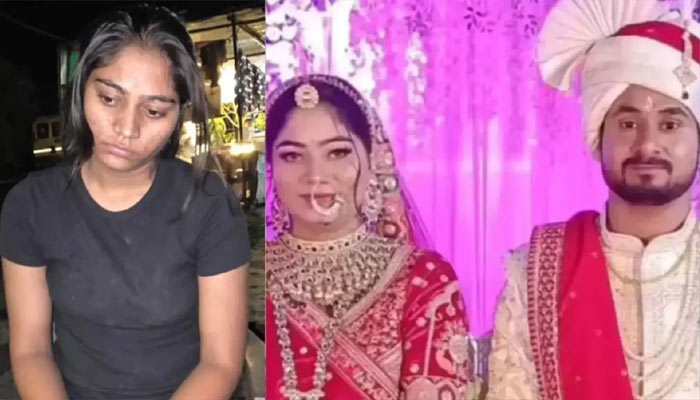
The shift has been driven in part by high-profile criminal cases involving newlywed women, including the sensational Sonam Raghuvanshi honeymoon murder case. In response, detective agencies across the state report a sharp surge in pre-marital background checks, most of them focused on young women.
“After the Raghuvanshi case, we’ve seen a significant increase in inquiries to investigate brides—especially their character, past relationships, and criminal background,” said Rajesh Pandey, head of a detective agency in Madhya Pradesh.
From Suspicion to Surveillance
Previously, such investigations were rare and mostly limited to suspected extramarital affairs or financial concerns. Now, agencies say the scope has expanded to include social media activity, call records, ex-boyfriends’ backgrounds, friend circles, and even dress sense and voice tone.
One agency’s checklist includes:
Online activity and time spent on social media
Past romantic relationships
Behavior in college and workplace
Friend groups and daily routine
Criminal or legal issues involving acquaintances
“For some families, hiring a detective is becoming more important than consulting a priest,” said Subhash Chaudhary, Zonal Head of Action Detective Services. “We’re now handling 70 to 80 such cases a month.”
Background Checks as a Business
Many agencies are offering structured “pre-marriage verification packages”, priced between ₹25,000 to ₹1 lakh. These include a mix of digital forensics, field surveillance, and character assessments—raising concerns about the erosion of personal privacy and gender bias.
“The trend is overwhelmingly targeted at women,” Pandey admitted.
The root of this shift appears to be fear, stoked by media coverage of crimes involving newlywed women. In the Muskan Rastogi case, a woman was accused of conspiring with her boyfriend to murder her husband. In other shocking incidents, husbands were reportedly killed during honeymoons, with bodies found in suitcases or water drums.
Experts Raise Ethical Concerns
Mental health professionals warn that such extreme measures signal a deeper problem in societal attitudes toward marriage and trust.
“What we’re seeing is the influence of crime television on real-life behavior,” said Dr. Satyakant Trivedi, a clinical psychologist in Bhopal. “Marriages, which should be based on trust, are now beginning with suspicion and surveillance.”
He notes that constant exposure to crime thrillers has distorted the way people approach relationships, turning natural concern into paranoia.
Comments are closed.