
Climate Summit COP30 Confronts Geopolitical Headwinds as Stakes Soar

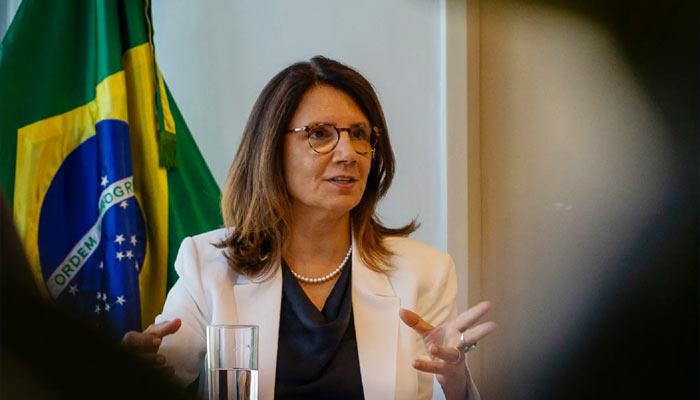
Global Tensions Cast Shadow Over COP30, But Leaders Say ‘Failure Not an Option’
As preparations intensify for COP30 — the UN’s pivotal climate summit scheduled to take place in Belém, Brazil, in 2025 — escalating geopolitical tensions are threatening to disrupt the momentum for global climate action. From wars in Ukraine and Gaza to growing US-China competition, world leaders and climate negotiators now face an increasingly complex landscape heading into what many describe as a “make-or-break” moment for the planet.
Despite the fractured international climate, officials insist the stakes are too high to allow diplomacy to collapse. “Failure is not an option,” said UN Climate Change Executive Secretary Simon Stiell in a recent address. “The window to limit global warming to 1.5°C is narrowing rapidly. We must act — together and now.”
Fragile Unity Amid Conflicts
The road to COP30 is already proving to be more politically fraught than previous summits. The upcoming negotiations are expected to be the most consequential since the Paris Agreement in 2015, as countries must submit new, more ambitious national climate action plans by early 2025. But with rising tensions between major powers, especially the United States, China, and Russia, cooperation is under strain.
“The climate cannot be hostage to global politics,” said Brazil’s Environment Minister Marina Silva, emphasizing Brazil’s commitment to leading a successful COP as the host nation. She warned that without meaningful cooperation, the global community risks irreversible damage.
Key Issues at Stake
COP30 is expected to focus on:
Strengthening Nationally Determined Contributions (NDCs) under the Paris Agreement
Operationalizing the Loss and Damage Fund to support vulnerable nations facing climate-related disasters
- Accelerating the Global Renewable Energy Transition
- Financing the Developing World’s Climate Agenda
But progress on all of these depends on political will — and cash. According to estimates, climate finance from rich nations still falls short of the promised $100 billion annually, undermining trust with developing countries.
Climate Finance, A Dividing Line
At COP28 in Dubai, a deal was reached to formally operationalize the Loss and Damage Fund, but only $700 million was pledged — a fraction of what is needed. Many developing nations are demanding clearer financial commitments at COP30, warning that without equity, the global climate agenda will collapse.
“A just transition cannot be achieved without climate justice,” said Antigua and Barbuda Prime Minister Gaston Browne, speaking for the Alliance of Small Island States (AOSIS).
Brazil’s Amazonian Challenge
Hosting the summit in Belém, on the edge of the Amazon rainforest, Brazil is spotlighting deforestation and Indigenous rights. President Luiz Inácio Lula da Silva has pledged to reach zero deforestation by 2030 and to act as a bridge between the Global North and South.
But critics point out that illegal logging and mining still continue at scale, and the country faces pressure to back its pledges with enforcement.
The Path Forward
Despite the challenges, climate advocates say COP30 must deliver a breakthrough. “We are at a moment in history where we either change course or risk global catastrophe,” said UN Secretary-General António Guterres. “This is not just a climate conference. It’s a test of our collective survival.”
As the world barrels toward COP30, all eyes will be on whether fractured nations can find common ground — and whether the promises of past conferences can finally be turned into action.
Comments are closed.