
Dalai Lama Rejects China’s Claim Over Reincarnation, Backs Gaden Phodrang Trust

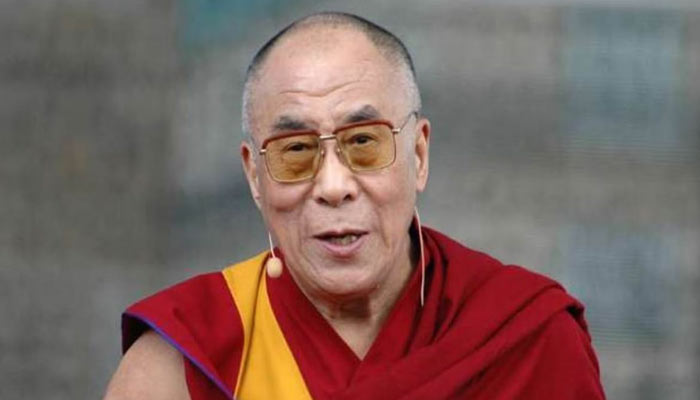
Dalai Lama Reaffirms Sole Authority Over His Reincarnation, Rejects China’s Interference
In a pointed assertion of religious autonomy.
The Dalai Lama has reiterated that only the Gaden Phodrang Trust — the Office of His Holiness — holds the exclusive authority to recognise his future reincarnation. The statement comes amid growing concerns over China’s repeated efforts to assert control over the succession process of the Tibetan spiritual leader.
Reaffirming a stance he first expressed in 1969, the Dalai Lama said the continuation of the institution of the Dalai Lama must be decided by the Tibetan people and followers of Tibetan Buddhism. He cited a 2011 resolution that officially established the Gaden Phodrang Trust as the sole authority on the matter, in consultation with the heads of Tibetan Buddhist traditions and the spiritual protectors of the lineage.
“I hereby reiterate that the Gaden Phodrang Trust has sole authority to recognise the future reincarnation; no one else has any such authority to interfere in this matter,” he said.
The spiritual leader’s comments are a direct rebuttal to Beijing’s stated intention to influence the reincarnation process — a move widely seen as part of China’s broader strategy to assert control over Tibetan affairs.
Widespread Appeals for Continuity
According to the Dalai Lama, the decision to formally affirm the continuation of his lineage was prompted by consistent appeals from Tibetans living inside Tibet, the global Tibetan diaspora, and Buddhist communities in Mongolia, Russia, and even within mainland China. He stressed that any future reincarnation would be recognised strictly in accordance with religious tradition — not political mandate.
This renewed declaration sets the stage for an inevitable clash with the Chinese government, which has maintained that any reincarnation must comply with its own approval mechanisms, including the controversial 2007 regulation requiring state authorisation for the recognition of all reincarnate lamas in China.
Observers see the Dalai Lama’s statement as both a spiritual assertion and a political message — reaffirming the independence of Tibetan religious institutions from state control and reinforcing the voice of the Tibetan community in shaping its spiritual future.
Comments are closed.