
After ₹36,500 Cr Jane Street Scam, Can SEBI Tighten Oversight of Derivatives Trading?

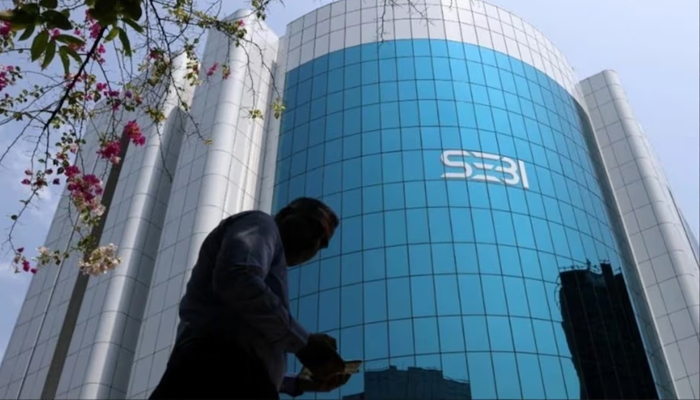
After ₹36,500 Cr Jane Street Scandal, Can SEBI Rein in India’s Derivatives Market?
The massive ₹36,500 crore market manipulation case involving global trading giant Jane Street has exposed deep-rooted vulnerabilities in India’s stock market ecosystem — particularly within the high-stakes world of derivatives trading. The scandal has shaken investor confidence and reignited debate on the adequacy of existing regulatory mechanisms.
At the center of it all is a damning 115-page report from the Securities and Exchange Board of India (SEBI), which accuses Jane Street of misleading market conduct and profiteering through manipulative trading strategies. In response, SEBI has barred the firm from operating in Indian markets and directed it to return ₹4,840 crore in alleged unlawful gains.
How Jane Street Allegedly Made ₹36,500 Crore
SEBI’s investigation revealed that between January 2023 and March 2025, Jane Street entities operating in India booked ₹43,289 crore in profits from index options, particularly Bank Nifty (BANKNIFTY) contracts. Losses in other segments narrowed the net profit to ₹36,502 crore.
Key findings from SEBI’s order include:
₹17,319 crore in profit came from Bank Nifty options alone.
Unusually high profits on expiry days, when price influence peaks.
Intensive trading activity during short time windows, often near market close.
Use of two key tactics: the ‘Intraday Index Manipulation Strategy’ and the ‘Extended Marking the Close Strategy’.
According to SEBI, the trades were carefully timed and synchronized across multiple Jane Street-linked entities, indicating a concerted effort to influence price movement. The group allegedly ignored early warnings from the NSE, including caution letters issued in February 2025.
Beyond the Numbers: A Systemic Wake-Up Call
While the financial damage is immense, experts say the erosion of trust is even more alarming.
“If proven true, this type of manipulation not only distorts the market but undermines the faith of retail investors who trade with trust and limited capital,” said Gaurav Goel, Founder & Director at Fynocrat Technologies.
He pointed to critical gaps in oversight — especially SEBI’s current inability to simultaneously track trading patterns across both the stock and derivatives markets. He called for integrated surveillance systems that can detect unusual behavior in real-time.
The Fallout and Market Implications
The ban on Jane Street — one of the largest algo traders active in India — is likely to impact market volumes.
“When major players are penalized, others become cautious, which can reduce overall activity,” noted Siddhart Bhamre, head of institutional research at Asit C Mehta.
Meanwhile, Angel One Chairman Dinesh Thakkar emphasized that India’s long-term opportunity remains intact.
“India’s growth story is structural, not cyclical. One firm does not define the market,” he said, citing strong macro fundamentals like political stability, demographics, and liquidity.
Tax Scrutiny and Legal Overhang
The scandal may also lead to action beyond SEBI’s purview, with tax authorities now examining Jane Street’s use of offshore structures. A large portion of trades reportedly flowed through its Singapore-based FPI arm, potentially exploiting treaty-based tax benefits.
“The structure appears designed to route profits offshore while trades were executed in India — a potential GAAR case,” said Harshal Bhuta, partner at PR Bhuta & Co.
What’s Next for SEBI?
This episode underscores an urgent need for regulatory overhaul — particularly in the derivatives segment, which remains lightly policed despite its complexity and scale. Experts argue that unless SEBI builds real-time cross-market surveillance and introduces pre-emptive safeguards, India’s capital markets will remain vulnerable to sophisticated manipulation.
For now, the Jane Street saga stands as a stark reminder: market integrity isn’t guaranteed by regulation alone — it must evolve with those it seeks to govern.
Comments are closed.