
Cloudbursts and Flashfloods Wreak Havoc in Harsil and Kathua, Himalayan Regions Ravaged
Climate Change, Deforestation, and Monsoon Rains Blamed for Himalayan Floods

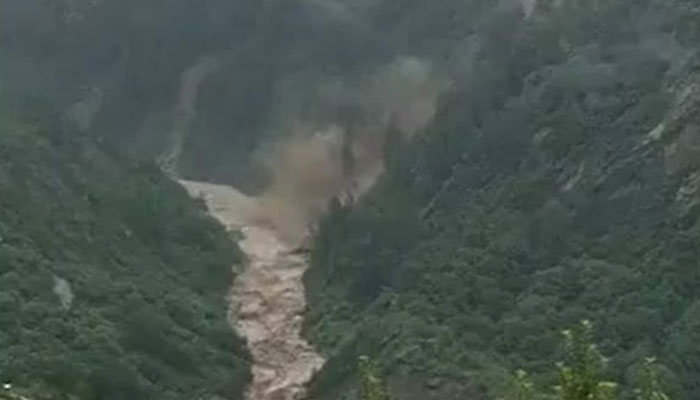
Himalayan Flash Floods Raise Alarm: Climate Change and Glacial Melts Drive Disasters.
In the past month, cloudbursts and flash floods have wreaked havoc across the Himalayas, killing dozens and displacing hundreds. Uttarakhand’s Dharali village near Harsil was devastated on August 5 after a massive cloudburst swept away homes and shops, leaving five dead and many missing. In Himachal Pradesh’s Mandi district, floods destroyed water infrastructure, while in Jammu & Kashmir’s Kathua district, at least seven lives were lost to sudden flooding.
Climate Pressures Behind Rising Disasters
Scientists warn that climate change is intensifying these events. Steep terrain and fragile geology make the Himalayas prone to landslides and floods, but rising global temperatures are now worsening rainfall extremes and accelerating glacier melt.
A 2024 study in Scientific Reports identified multiple triggers: cloudbursts, glacial lake outburst floods (GLOFs), deforestation, land-use changes, and heavy monsoons. Experts caution that the Dharali disaster may also be linked to a glacial lake breach, similar to the 2013 Kedarnath floods that killed over 6,000.
Melting Glaciers, Rising Risks
According to Nature Communications (2023), glaciers worldwide lost 332 gigatonnes of ice annually between 2006 and 2016. Since 1990, glacial lakes have increased by 50%, with South Asia emerging as one of the most vulnerable regions. Nearly a million people in India, Pakistan, and China live within 10 km of these lakes, facing constant risk.
“These floods are particularly dangerous because they strike without warning,” researchers noted.
Urgent Need for Preparedness
Experts are calling for early-warning systems, satellite monitoring of glacial lakes, afforestation, and stronger disaster management frameworks. Without immediate action, the Himalayas could face escalating humanitarian and ecological crises.
Comments are closed.