

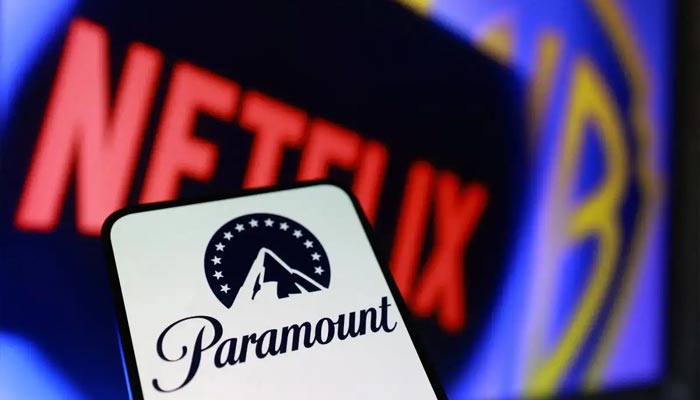
Netflix has formally withdrawn from the bidding battle for Warner Bros. Discovery’s studio and streaming assets, declining to improve its offer and effectively positioning Paramount Global as the leading contender for a sweeping takeover.
The shift came after Warner’s board concluded that Paramount’s revised bid qualifies as a “company superior proposal.” Netflix responded by saying that matching the new financial terms would make the transaction “no longer financially attractive,” signaling the end of its pursuit.
Paramount Takes the Lead
While Netflix’s proposal focused largely on Warner’s studio and direct-to-consumer operations, Paramount has moved to acquire the entire company — including cable networks such as CNN and Discovery. If completed, the deal would bring CNN under the same corporate umbrella as CBS and combine two of the few remaining major Hollywood studios.
Paramount recently raised its offer to $31 per share and added significant sweeteners to reassure shareholders. These include a $7 billion regulatory termination fee and an accelerated ticking fee that would compensate investors if approvals are delayed beyond September.
Warner’s endorsement of the revised bid marks a dramatic reversal after months of alignment with Netflix.
A Hollywood Power Shift
A merger between Paramount and Warner would fundamentally reshape the entertainment landscape. Warner controls premium brands including HBO Max, DC Studios and blockbuster franchises such as “Harry Potter,” “Superman,” and “Barbie,” along with critically acclaimed series like “The White Lotus” and “Succession.”
Paramount, meanwhile, owns CBS, MTV, Nickelodeon and the Paramount+ streaming platform, in addition to film properties like “Top Gun,” “Titanic,” and “The Godfather.”
Supporters argue that scale is essential in an era dominated by global streaming competition and escalating content costs. Critics counter that further consolidation could narrow creative opportunities, result in job reductions and place more pricing power in the hands of fewer corporations.
Regulatory and Political Headwinds
The proposed transaction is already under review by the U.S. Department of Justice, with additional scrutiny expected internationally. Analysts anticipate rigorous antitrust evaluation given the concentration of film studios, television networks and streaming services that would result.
Financing also adds complexity. Paramount is assuming substantial debt to fund the acquisition, with backing from Larry Ellison in support of Skydance, led by his son David Ellison. Participation from foreign sovereign wealth funds has drawn further attention.
Political optics have intensified scrutiny. The Ellisons have been associated with Donald Trump, who previously made remarks implying involvement in the regulatory process before stating that approval decisions rest solely with federal authorities.
The bid also follows Skydance’s recent acquisition of Paramount, a contentious transaction that came months after the company settled a lawsuit involving CBS’ “60 Minutes.”
The Road Ahead
With Netflix stepping aside, Paramount is now the clear frontrunner. Yet approval is far from guaranteed. Regulatory barriers, financing pressures and political dynamics could still alter the outcome.
If completed, the merger would represent one of the most consequential consolidations in modern media — redefining competitive balance, content ownership and corporate influence across Hollywood and global streaming.
Comments are closed.