
Oil Shock Fears: India Weighs Export Curbs, More Russian Crude, LPG Controls

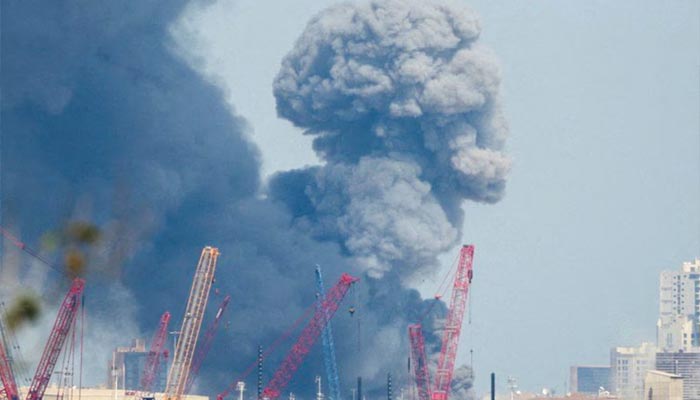
India is preparing a multi-pronged contingency strategy to safeguard fuel supplies if disruptions in the Strait of Hormuz persist, according to people familiar with discussions cited by The Economic Times.
The measures under consideration include restricting exports of petrol and diesel, increasing crude imports from Russia, and implementing demand-control steps such as LPG rationing.
Senior government officials and energy industry leaders are reviewing both supply-side and demand-side responses amid escalating tensions in West Asia, where attacks on key energy infrastructure have rattled global markets.
Oil And Gas Markets React
Global energy prices surged sharply at the start of the week. Brent crude climbed close to $80 per barrel, registering a steep single-day jump, while European natural gas prices spiked significantly following reported attacks on Saudi Arabia’s Ras Tanura refinery and a major LNG facility in Qatar. Tanker traffic through the Strait of Hormuz — a vital artery for global oil shipments — has remained limited, raising concerns over supply continuity.
The Strait handles a substantial share of global crude and LNG trade, making any prolonged disruption a serious risk for energy-importing nations such as India.
Export Curbs Under Review
One of the immediate steps being weighed is limiting exports of refined fuels to prioritise domestic needs. India exports nearly one-third of its petrol production, about a quarter of its diesel output and close to half of aviation turbine fuel (ATF). In an emergency scenario, refiners could divert some ATF volumes toward other fuel streams to ease domestic pressure.
Union Petroleum and Natural Gas Minister Hardeep Singh Puri said the government is closely monitoring developments and will take necessary measures to ensure fuel availability and affordability.
LPG Supplies Most At Risk
Liquefied petroleum gas (LPG) is viewed as the most vulnerable segment. India imports nearly two-thirds of its LPG requirements, with the majority sourced from Gulf nations. Current inventories, including cargoes already en route, are estimated to provide less than two weeks of cover if fresh shipments are disrupted.
State-run refiners — Indian Oil Corporation, Hindustan Petroleum Corporation Limited (HPCL), and Bharat Petroleum Corporation Limited (BPCL) — have reportedly started boosting LPG production at select integrated refineries to cushion any potential shortfall.
Officials are also discussing targeted rationing for households that have access to alternate fuels, particularly in rural areas, to conserve supplies if required.
Stock Cover And Strategic Buffers
India’s current crude oil reserves can meet roughly 17–18 days of demand, while petrol and diesel stocks offer about 20–21 days of cover. LNG inventories are estimated to last around 10–12 days. However, without new shipments through Hormuz, these buffers would gradually deplete.
The Gulf region accounts for nearly half of India’s crude and LNG imports, underscoring the strategic sensitivity of the route.
Russian Crude As A Backup Option
Another key lever under review is increasing imports of discounted Russian crude. Significant volumes of Russian oil are currently at sea and could potentially be redirected toward Indian refiners relatively quickly.
Sources indicated that if global supply tightens further and prices surge, geopolitical positions may evolve, allowing greater flexibility in sourcing Russian barrels to stabilise domestic markets.
For now, policymakers are balancing preparedness with caution — aiming to protect domestic fuel security without triggering unnecessary market disruption.
Comments are closed.