
Iran Conflict Drives Up Pharma Raw Material Costs — Could Medicines Get More Expensive?

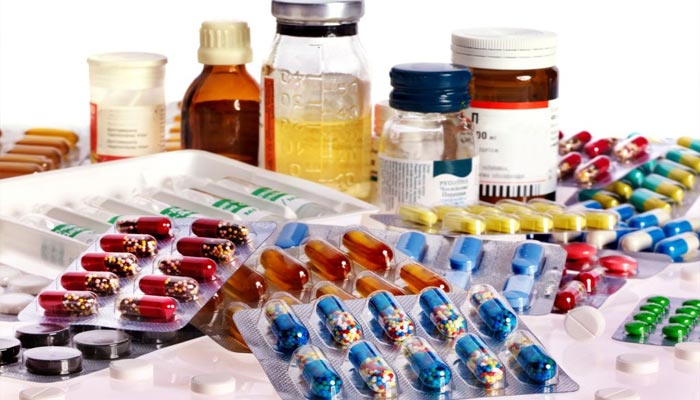
Iran Conflict Pushes Up Pharma Raw Material Costs: Vitamins and Antibiotics Face Price Pressure.
The ongoing conflict between Iran and the US-Israel coalition in West Asia is driving up costs of pharmaceutical raw materials in India, raising concerns about potential price volatility for medicines. Industry executives say prices for key starting materials (KSMs) and active pharmaceutical ingredients (APIs) have risen sharply over the past week, in some cases by 5–100%, due to currency fluctuations, rising oil-linked solvent costs, and disruptions in global shipping.
Sharp Price Increases Already Observed
Some of the most affected inputs include Thiocolchicide, used in muscle-relaxing drugs, which surged from Rs 3.4 lakh to Rs 7 lakh—a jump of over 100%. Other ingredients such as glycerin, nimesulide, deflazacort, and clobetasol propionate have seen increases between 45% and 65%. Several antibiotics and commonly used drugs, including ciprofloxacin, cefpodoxime, amikacin, paracetamol, and diclofenac, have also become costlier by 20–30%.
Despite rising raw material costs, medicine prices in India are regulated by the National Pharmaceutical Pricing Authority (NPPA), meaning manufacturers are currently absorbing higher production costs.
Reasons Behind the Surge
Industry experts cite multiple factors: a stronger US dollar against the rupee, rising oil prices affecting solvents, and logistical disruptions. “Methanol and acetone, essential solvents for API production, are by-products of petroleum. With oil prices rising amid geopolitical tensions, their costs have jumped 20–25% recently,” said Udaya Bhaskar, former director-general of the Pharmaceuticals Export Promotion Council of India.
Shipping disruptions are also adding pressure. Containers and vessels are delayed due to heightened security risks and congestion along key maritime routes, impacting imports of critical raw materials from China, which supplies 65–70% of India’s APIs and KSMs.
Who Is Most Affected?
Smaller drugmakers and MSMEs are expected to bear the brunt, particularly for high-volume, low-value drugs like paracetamol and omeprazole, where rising freight costs significantly impact margins. Vitamins and nutritional ingredients, heavily imported from China, are already seeing price rises, as are antibiotics, especially the cephalosporin class.
As the situation evolves, manufacturers are closely monitoring oil prices, currency movements, and shipping routes, all of which could further influence production costs and eventually impact medicine prices in India.
Comments are closed.