
Sleep Divorce on the Rise: Why Couples Are Choosing Separate Beds

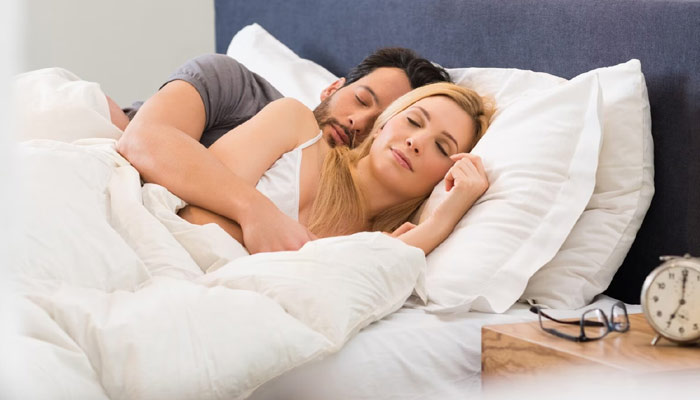
For decades, sharing a bed has been seen as a quiet marker of intimacy.
But as modern life becomes more demanding and quality sleep harder to achieve, many couples are rethinking that norm. Instead of sacrificing rest, they are choosing something unconventional—separate beds, and sometimes even separate rooms—to protect their health.
Often called “sleep divorce,” this shift isn’t about emotional distance. It reflects a growing understanding that sleep is a biological necessity. Experts say prioritising rest can actually strengthen relationships rather than weaken them.
What Is ‘Sleep Divorce’?
“Sleep divorce simply means partners choosing to sleep in separate beds or rooms to improve sleep quality while staying emotionally connected,” says Dr. Shweta Chhabra, Consultant Psychiatrist at Apollo Clinic, Bengaluru. She notes that this choice is usually driven by exhaustion, not conflict, and signals a shift toward viewing sleep as essential healthcare.
Dr. Sunil Kumar K, Lead Consultant in Sleep Medicine at Aster CMI Hospital, agrees. “Sleeping separately can lead to deeper, more restorative sleep. People wake up refreshed, experience better moods, and avoid arguments over sleep habits—while still maintaining a loving relationship,” he explains.
The Hidden Cost of Poor Sleep
Sleep deprivation goes beyond feeling tired. Over time, it can quietly damage both physical and emotional health.
“Poor sleep contributes to fatigue, weakened immunity, metabolic stress and headaches,” says Dr. Chhabra. “Psychologically, it reduces emotional stability and stress tolerance.”
Dr. Sunil adds that long-term sleep loss is linked to serious conditions such as high blood pressure, diabetes, weight gain and heart disease. It can also increase irritability, anxiety and reduce overall productivity.
At home, the effects often show up quickly—short tempers, frequent disagreements, and misunderstandings that stem more from exhaustion than actual relationship issues.
Can Sleeping Apart Improve Intimacy?
It may sound counterintuitive, but experts say better sleep often leads to stronger relationships.
“When the decision is mutual, couples often report improved intimacy,” says Dr. Chhabra. Rested individuals communicate more effectively and respond with greater empathy.
“Uninterrupted sleep reduces daily stress and supports healthier communication,” adds Dr. Sunil, noting that emotional and physical closeness can improve even without sharing a bed.
Holistic life coach Richa Agarwal puts it simply: “Sleep is the reset button for the nervous system—an exhausted mind cannot sustain connection.” Sometimes, a little distance at night can create more warmth during the day.
Address the Disruptions First
Sleeping separately isn’t always the first solution. Many common sleep disruptors can be managed.
Snoring, mismatched schedules, excessive screen time, and untreated conditions like insomnia or sleep apnea often lie at the root. “Simple fixes like earplugs, white noise machines, limiting screen use, or medical treatment for snoring can make a significant difference,” says Dr. Sunil.
Agarwal also recommends calming pre-sleep routines and reducing technology use to help restore natural sleep rhythms.
Balancing Space and Connection
Clear communication is essential. Without it, sleeping separately can feel like emotional distance.
“Physical separation becomes a concern only when it leads to emotional disengagement,” warns Dr. Chhabra. Maintaining affection, reassurance, and shared routines helps prevent feelings of rejection, adds Dr. Sunil.
Spending quality time together—whether through conversations, shared activities or simple gestures of closeness—ensures the arrangement remains about health, not disconnection.
When to Seek Help
Persistent snoring, insomnia, ongoing fatigue, or frequent sleep-related conflicts may require professional help. Consulting sleep specialists or mental health experts early can prevent long-term strain.
Comments are closed.