

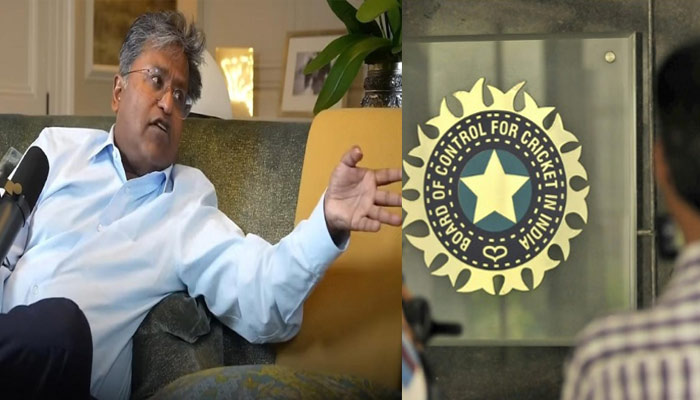
Former IPL chairman Lalit Modi has launched a scathing attack on the BCCI, accusing the board of overworking players and placing financial priorities above their well-being.
Modi’s remarks came in response to a report highlighting concerns raised by India head coach Gautam Gambhir over a tightly packed schedule ahead of the upcoming one-off Test against Afghanistan.
According to the report, several Indian players involved in the IPL 2026 final on May 31 could be required to join the national squad almost immediately for the Test beginning June 6. The narrow turnaround leaves little room for rest or red-ball preparation and may even force selectors to rely on reserve players for the fixture.
Reacting strongly, Modi accused the board of pushing players to the brink.
“The BCCI is killing its players with this hectic scheduling. Stop this outrageous workload. The boys need time with their families and time to recover. You do not need the money,” he said.
He further argued that the financial foundation of Indian cricket is already secure, crediting the IPL’s long-term revenue model.
“I created an annuity revenue stream that the world envies. There is no need to chase more at the cost of player welfare. The focus should be on protecting the players, not exhausting them,” Modi added.
The debate around workload has also been echoed within the team. India’s Test captain Shubman Gill recently stressed the need for adequate preparation time, suggesting that players should get at least two weeks of camp before a Test series.
With the IPL window expanding and India’s international calendar growing increasingly congested, concerns around fatigue, injuries, and inadequate red-ball preparation are becoming harder to ignore. Players are often required to switch formats almost instantly—moving from high-intensity T20 cricket to the demands of Test matches with minimal transition time.
India have, at times, fielded second-string squads for overseas T20 assignments to manage workload. Whether a similar approach could be adopted for a home Test, however, remains a far more complex question.
Comments are closed.