
Scientists find climate change is steadily reducing oxygen levels in rivers worldwide

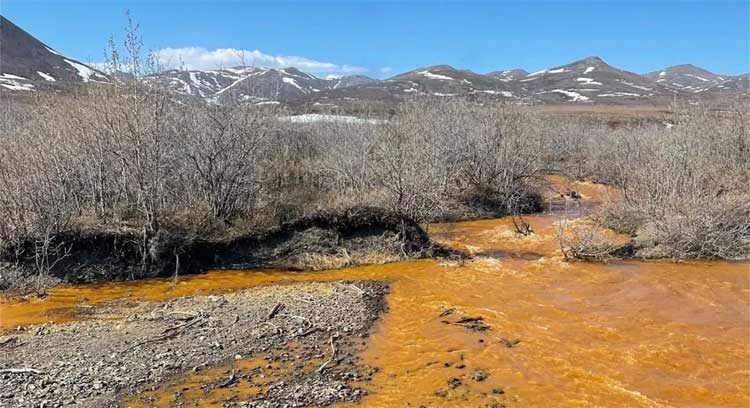
Global warming is steadily draining oxygen from rivers around the world, threatening fish populations and aquatic ecosystems, according to a new study published in the journal Science Advances.
Researchers in China used satellite observations and artificial intelligence to analyse oxygen levels in more than 21,000 rivers globally from 1985 onwards. Their findings showed that oxygen concentrations in rivers have fallen by an average of 2.1 per cent over the past four decades.
While the decline may appear modest, scientists warn that the trend could become dangerous if it continues. Rivers in regions such as the eastern United States, India and tropical regions could lose enough oxygen by the end of the century to create aquatic dead zones and suffocate fish populations.
Why warming rivers are losing oxygen
Scientists explain that warmer water naturally holds less oxygen. As global temperatures rise due to climate change, rivers release more oxygen into the atmosphere, reducing the amount available for aquatic life.
The study estimated that if oxygen depletion continues at its current pace, rivers worldwide could lose another 4 per cent of their oxygen levels by 2100, with some regions experiencing losses closer to 5 per cent.
Lead author Qi Guan from the Chinese Academy of Sciences warned that long-term oxygen depletion — known as deoxygenation — could trigger severe ecological damage.
“Low oxygen levels can cause biodiversity decline, water quality degradation and fish deaths,” Guan said.
Threat of river dead zones
Scientists fear some rivers could eventually develop “dead zones” similar to those already seen in the Gulf of Mexico, Chesapeake Bay and Lake Erie, where oxygen levels become too low to sustain aquatic life.
Karl Flessa of the University of Arizona said declining oxygen levels could result in “more stinky dead zones” during heat waves.
“If your favourite fishing hole gets too warm, oxygen levels will go down and there won’t be any fish left to catch,” he warned.
India’s Ganga among rivers at risk
The study noted that earlier this century, the heavily polluted Ganges River was losing oxygen at a rate more than 20 times faster than the global average.
Even under moderate-to-high carbon emission scenarios, researchers project that rivers across eastern United States, the Arctic, India and much of South America could lose nearly 10 per cent of their oxygen by the end of the century.
Researchers are particularly concerned about tropical rivers such as the Amazon River. A separate study last year found that the number of dead-zone days in the Amazon has increased by almost 16 days every decade since 1980.
Pollution and dams worsening the crisis
Apart from rising temperatures, the study identified nutrient pollution from fertilisers, urban runoff, dam construction and changes in river flow as major contributors to oxygen loss.
However, nearly 63 per cent of the problem was linked directly to warmer water temperatures caused by climate change.
Emily Bernhardt of Duke University said warming rivers make pollution impacts far more severe.
“As rivers warm, the same pollution problems can cause more severe and long-lasting oxygen depletion,” she said, stressing that water pollution control efforts are now “more important than ever.”
Comments are closed.