
Cab, auto strike in Delhi-NCR: Over 68 unions join ‘chakka jam’; drivers demand fare revision, better policies

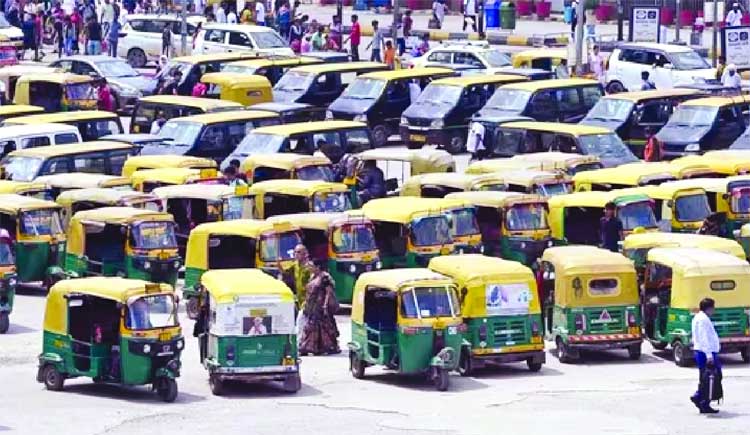
Commuters across Delhi-NCR could face longer travel times, overcrowded public transport and disruptions over the next three days as commercial vehicle drivers’ unions begin a strike from May 21 to May 23, demanding fare revisions and protesting rising operational costs.
The strike has been called by transport unions, including the Chalak Shakti Union, which informed the Delhi Lieutenant Governor, Chief Minister, Transport Minister and Police Commissioner about the planned agitation.
According to the union, the action is being carried out in support of a nationwide protest led by the All India Motor Transport Congress (AIMTC). The groups argue that taxi and commercial vehicle fares in Delhi-NCR have remained unchanged for nearly 15 years, even as prices of CNG, petrol and diesel have steadily risen.
Drivers say higher fuel costs, maintenance expenses, app commissions and loan repayments have made it increasingly difficult to sustain earnings.
Cab, auto strike: Key demands and concerns
- AIMTC has called the three-day strike in protest against the recent increase in environment compensation cess (ECC) and proposed restrictions on older commercial vehicles entering Delhi-NCR. Chalak Shakti Union has additionally raised the issue of stagnant cab and auto fares despite rising costs.
- More than 68 transport unions across Delhi-NCR are reportedly participating, arguing that recent government measures will negatively affect transport operators and supply chains.
- A major point of contention is the ECC increase introduced on April 19. Charges on light commercial vehicles and two-axle trucks rose from ₹1,400 to ₹2,000, while fees for heavier vehicles increased from ₹2,600 to ₹4,000.
- Transporters have also objected to plans for a 5 per cent annual increase in the ECC.
- Another concern is the Commission for Air Quality Management’s proposal to ban BS-4 and older commercial vehicles from entering Delhi-NCR from November 1, 2026.
- AIMTC argues that the restrictions should be based on actual emissions rather than a vehicle’s registration category. The organisation says emissions standards should determine eligibility.
- Transport operators have also questioned why ECC charges are being applied to BS-6 vehicles despite such vehicles being permitted under stricter pollution-control norms.
- Unions say the cess affects all goods vehicles entering Delhi, including empty trucks and those transporting essential commodities.
- Cab and auto unions backing the strike have separately demanded fare revisions, saying rising fuel costs have made existing rates unsustainable.
- While the current protest has been described as a symbolic three-day strike, AIMTC has warned that an indefinite agitation could follow if authorities fail to address their concerns.
Comments are closed.