
Climate Change and Farming: The Growing Economic and Food Security Challenge

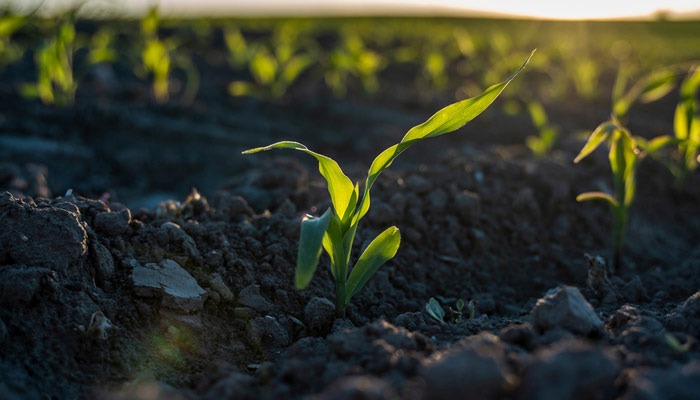
Climate Change and Agriculture: The Growing Threat to Food Security and Global Economies
Few sectors are feeling the effects of climate change as directly as agriculture. Rising temperatures, erratic rainfall, prolonged droughts and extreme weather events are transforming farming conditions across the world, creating new challenges for food production and rural livelihoods.
Agriculture occupies a unique position in the climate debate. It depends on stable weather patterns and healthy ecosystems, yet it is also a significant source of greenhouse gas emissions. As climate risks intensify, this relationship is becoming increasingly difficult to manage, with implications that extend far beyond the farm gate.
From shrinking crop yields to rising food prices and economic disruption, the consequences of climate change are already being felt across global food systems.
- Heat Is Emerging as a Major Agricultural Risk
- One of the most significant threats to agriculture is the steady rise in global temperatures.
Studies suggest that for every 1°C increase in average temperatures, yields of key staple crops such as wheat, rice, maize and soybeans decline significantly. These crops form the foundation of global food security, supplying a majority of the calories consumed worldwide.
Higher temperatures can accelerate plant growth cycles, reducing the time available for crops to mature properly. Heat stress during critical stages of development can lower yields and affect crop quality, reducing farm incomes and increasing production risks.
The impact is not limited to crops. Livestock are also vulnerable to rising temperatures, which can affect productivity, reproduction and overall animal health.
According to international climate and agricultural agencies, some regions may eventually experience extended periods of extreme heat that make outdoor agricultural work increasingly difficult, creating additional challenges for planting, harvesting and other farm activities.
Water Availability Is Becoming Less Predictable
Alongside rising temperatures, changing rainfall patterns are creating growing uncertainty for farmers.
Many regions are experiencing longer dry spells and declining soil moisture, increasing the risk of drought. At the same time, heavier rainfall events are becoming more common in some areas, leading to floods, soil erosion and crop damage.
These extremes place enormous pressure on agricultural systems. Drought can reduce yields and weaken soil health, while flooding can destroy standing crops, damage infrastructure and delay farming operations.
Climate-related changes in weather patterns also create favourable conditions for pests and plant diseases, adding another layer of risk for producers.
Developing countries are particularly vulnerable because many farmers lack access to irrigation systems, crop insurance and other resources needed to cope with climate shocks.
- Food Prices and Economies Feel the Impact
- When agricultural production suffers, the effects ripple through the wider economy.
Reduced harvests can tighten food supplies, increase prices and contribute to inflation. In a globalised food system, climate-related disruptions in one region can quickly affect markets elsewhere.
Recent years have demonstrated how extreme weather can influence agricultural output and contribute to volatility in food prices. For countries that depend heavily on agricultural exports or imports, such disruptions can have significant economic consequences.
Agriculture supports the livelihoods of billions of people worldwide and remains a critical pillar of many developing economies. As climate impacts worsen, the risks to employment, incomes and economic growth are expected to increase.
International institutions have repeatedly warned that climate-related agricultural losses could push millions more people into poverty in the coming years, particularly in vulnerable regions.
- The Cost of Climate Inaction Is Rising
- The financial burden of climate-related disasters on agriculture continues to grow.
Over the past several decades, extreme weather events have caused trillions of dollars in losses across global agricultural systems. These losses are often concentrated in low- and middle-income countries, where farming plays a central role in employment and economic activity.
For many communities, a single drought, flood or heatwave can erase years of progress and leave households struggling to recover.
As climate risks become more severe, experts warn that adaptation can no longer be treated as an option—it has become an economic necessity.
Building More Resilient Food Systems
Adapting agriculture to a changing climate will require a combination of technology, investment and policy support.
One of the most effective tools is the use of early warning systems that provide farmers with advance notice of extreme weather events. Timely forecasts can help producers protect crops, safeguard livestock and minimise losses.
Climate-smart farming practices are also gaining importance. These include efficient irrigation techniques, drought-resistant crop varieties, soil conservation measures and precision agriculture technologies that improve productivity while reducing environmental impacts.
Investments in renewable energy, sustainable land management and water conservation can further strengthen resilience across agricultural systems.
Closing the Climate Finance Gap
Despite facing some of the greatest climate-related risks, agriculture receives only a small share of global climate finance.
Experts argue that significantly larger investments will be required to help farmers adapt to changing conditions and maintain food production in the decades ahead.
Increasing access to finance, particularly for smallholder farmers, is likely to be critical for scaling climate-resilient technologies and practices.
As governments prepare future climate strategies, agricultural resilience is expected to become an increasingly important priority.
From Vulnerability to Opportunity
Climate change presents one of the greatest challenges agriculture has ever faced, but it also offers an opportunity to rethink how food is produced.
Sustainable farming methods, improved resource management and greater investment in rural communities can help create agricultural systems that are more productive, resilient and environmentally responsible.
The decisions made today will shape the future of global food security. As climate pressures continue to mount, strengthening agriculture’s ability to adapt may prove essential not only for farmers but for economies, ecosystems and billions of people who depend on a stable food supply.
Comments are closed.