
Heart Attack Warning Signs: 6 Symptoms You Should Never Ignore

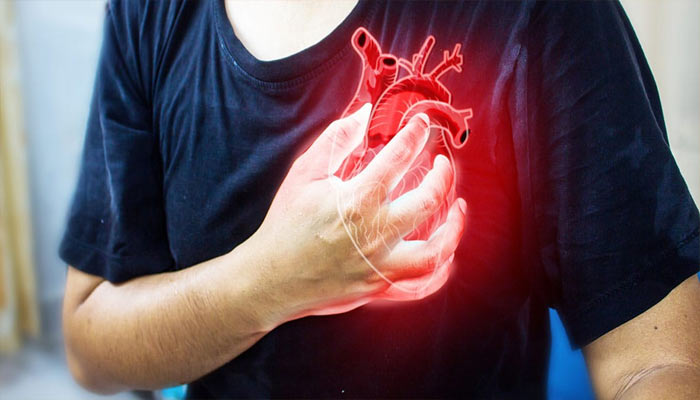
From Chest Pressure to Jaw Pain: 6 Early Warning Signs of a Heart Attack
A heart attack doesn’t always strike without warning. According to doctors, the body may begin sending subtle signals days—or even weeks—before a major cardiac event. Recognising these symptoms early and seeking prompt medical care can improve outcomes and reduce the risk of serious complications.
A heart attack occurs when blood flow to the heart muscle is blocked, depriving it of oxygen. While the condition is often associated with older adults, doctors say heart attacks are becoming increasingly common among younger people due to factors such as stress, unhealthy diets, smoking, diabetes, obesity and physical inactivity.
Health experts stress that not everyone experiences the same symptoms, and warning signs can differ between men and women.
1. Chest Pressure or Tightness
The most common warning sign is discomfort in the chest. Rather than severe pain, many people describe it as pressure, heaviness, squeezing or a feeling that something is sitting on the chest. The discomfort may last for several minutes or come and go.
2. Unusual Fatigue
Feeling unusually tired without an obvious reason—especially if everyday activities suddenly become exhausting—can be an early warning sign. Persistent fatigue that develops over several days should not be ignored, particularly when accompanied by other symptoms.
3. Shortness of Breath
Difficulty breathing during routine activities or while resting may indicate that the heart is struggling to pump blood effectively. Breathlessness can occur with or without chest discomfort and should be evaluated promptly.
4. Pain That Spreads to the Jaw, Neck or Arm
Heart attack pain isn’t always limited to the chest. It can radiate to the jaw, neck, shoulders, back or one or both arms—most commonly the left arm. Jaw pain, especially when combined with chest discomfort or breathlessness, requires immediate medical attention.
5. Nausea, Indigestion or Stomach Discomfort
Some people, particularly women, may experience symptoms that resemble indigestion, heartburn or an upset stomach instead of classic chest pain. These symptoms can make a heart attack easy to mistake for a digestive problem.
6. Cold Sweats and Sudden Dizziness
Breaking into a cold sweat without physical exertion, feeling light-headed or suddenly becoming dizzy can signal that the heart is under stress. If these symptoms occur alongside chest discomfort or shortness of breath, they should be treated as a medical emergency.
Don’t Ignore the Warning Signs
Doctors advise seeking immediate medical help if symptoms such as chest pressure, unexplained breathlessness, pain spreading to the jaw or arm, or sudden cold sweats occur—especially if they last more than a few minutes or return repeatedly.
Early diagnosis and treatment can significantly reduce heart damage and save lives. Even if symptoms seem mild or disappear, it is safer to get evaluated by a healthcare professional than to ignore a potential heart attack.
Disclaimer: This article is intended for general awareness and informational purposes only. It should not be considered a substitute for professional medical advice, diagnosis or treatment. If you suspect a heart attack or experience concerning symptoms, seek emergency medical care immediately.
Comments are closed.