
This Ayurveda ‘Stone Breaker’ Plant Is Believed To Help Manage Kidney Stones

Traditionally Used For Kidney Stones
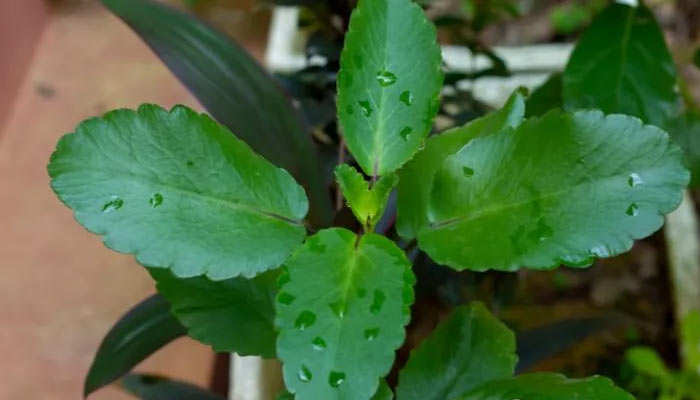
In Ayurveda, Ranapal is popularly known as the “stone breaker” plant because of its traditional association with kidney stones and urinary disorders. Ayurvedic practitioners believe its natural diuretic properties may help increase urine flow, support the passage of small kidney stones, maintain urinary tract health and reduce the risk of stone formation. However, these claims are based on traditional practices, and more clinical research is needed to confirm their effectiveness.
May Help Ease Joint Pain
Ranapal is also used in traditional remedies for joint pain and inflammation. Fresh leaves are often warmed or crushed into a paste and applied to the affected area. According to Ayurvedic beliefs, the plant’s natural compounds may help reduce swelling and discomfort, particularly during the monsoon and winter seasons.
Used In Traditional Skin Remedies
The plant has long been used in Ayurveda for minor wounds, boils, acne and insect bites. A paste made from its leaves is commonly applied to the affected skin. Although some preliminary studies suggest Bryophyllum pinnatum contains antibacterial and anti-inflammatory compounds, experts say stronger scientific evidence is still required before its effectiveness can be confirmed.
Traditional Use For Piles
Ayurvedic texts also describe Ranapal as a remedy that may help relieve symptoms of piles (haemorrhoids), such as pain, swelling and bleeding. However, it should not be considered a substitute for medical treatment and should only be used under the guidance of a qualified Ayurvedic practitioner.
Traditional Dosage
According to Ayurvedic references, Ranapal leaf juice is traditionally consumed in quantities of 10–15 ml twice daily, while its powdered form is taken in 1–3 grams mixed with water. A decoction is generally used in amounts of 20–30 ml. Since the appropriate dosage depends on an individual’s health condition, it should always be determined by a qualified Ayurvedic doctor.
A Word Of Caution
Ranapal remains a popular medicinal plant in many Indian households, but most of its claimed health benefits are rooted in traditional Ayurvedic knowledge rather than conclusive scientific evidence. Anyone experiencing kidney stones, piles, skin problems or other health concerns should consult a qualified healthcare professional before using the plant and avoid relying on self-treatment alone.
Comments are closed.