

US Announces New Visa Restrictions to Target Global Cyber Scam Networks
The Donald Trump administration has unveiled a new visa restriction policy aimed at cracking down on foreign nationals linked to cyber-enabled fraud, online scams and extortion schemes that have cost Americans billions of dollars.
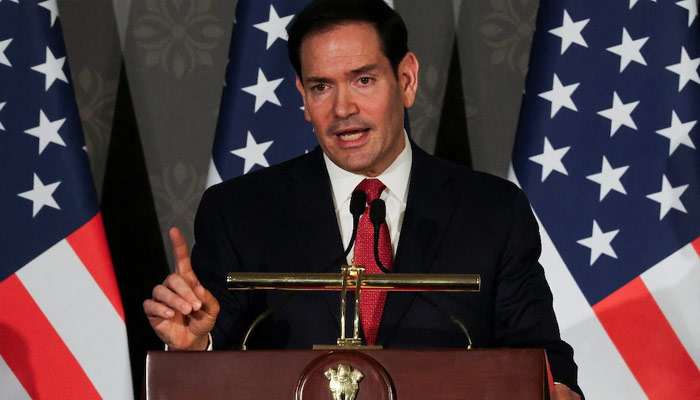
Announced by US Secretary of State Marco Rubio, the measures will deny US visas to individuals involved in cybercrime as well as, in certain cases, their immediate family members.
Part of a Broader Cybercrime Crackdown
Rubio said the new policy is part of a wider effort to dismantle transnational criminal networks behind cyber-enabled fraud targeting Americans.
He said the US would deploy “every tool at our disposal” to pursue offenders, including sanctions, criminal prosecutions, asset seizures, extradition requests and cooperation with international law enforcement agencies.
The move builds on an executive order signed by President Donald Trump in March, which prioritised action against cyber-enabled financial crimes and directed federal agencies to strengthen efforts against transnational criminal organisations. The order also warned that countries failing to tackle such networks could face US sanctions, visa restrictions, cuts in foreign assistance and action against officials found to be facilitating these operations.
According to the administration, Americans lost more than $12.5 billion to cyber fraud in 2024, with older adults accounting for a significant share of the victims.
Who Will Face Visa Restrictions?
The policy is being implemented under Section 212(a)(3)(C) of the US Immigration and Nationality Act, which allows authorities to deny visas to foreign nationals whose entry is deemed likely to have adverse foreign policy consequences.
Under the new rules, individuals found to be involved in or facilitating cyber scams—including online investment fraud, sextortion and other cyber-enabled financial crimes—may be declared ineligible for US visas. In some cases, the restrictions may also extend to their immediate family members.
The State Department has not identified any specific country or nationality as the focus of the policy, saying the measures are intended to have global application.
Chinese Criminal Networks in Focus
While the policy is global, Rubio specifically highlighted Chinese transnational criminal organisations allegedly involved in so-called “pig butchering” scams.
These schemes typically involve fraudsters building fake online relationships with victims before persuading them to invest in fraudulent cryptocurrency or investment platforms.
According to US officials, such networks defrauded Americans of at least $10 billion in 2024 and have also been linked to money laundering, corruption and human trafficking.
Authorities also warned that online sextortion schemes targeting American children continue to pose a growing threat.
Recent Enforcement Measures
The visa restrictions follow a series of recent actions against alleged cybercrime syndicates.
In June, the US Treasury Department imposed sanctions on 35 individuals and entities allegedly linked to Cambodia’s Prince Group network, accusing them of operating scam compounds that used trafficked workers to carry out cryptocurrency fraud.
Separately, the US Justice Department has indicted the group’s chairman and moved to seize billions of dollars worth of bitcoin allegedly connected to the operation.
Rubio said the new visa policy sends a clear message that the United States will continue pursuing cybercriminals and the networks supporting them, regardless of where they operate.
Comments are closed.