
US House Advances Russia Sanctions Bill, Paving Way for Up to 100% Tariffs on India

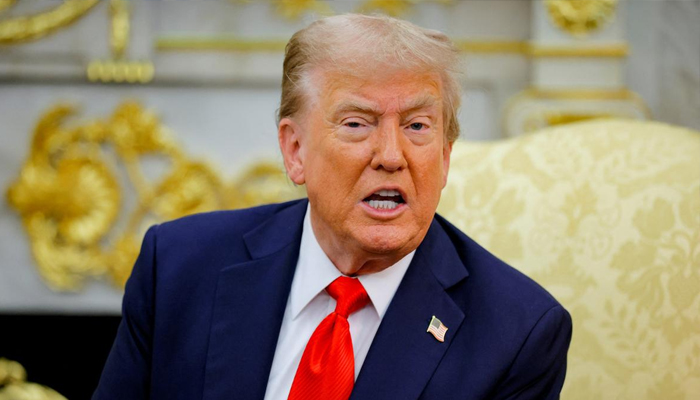
The US House of Representatives has moved forward with legislation that could give President Donald Trump the authority to impose tariffs of up to 100% on countries purchasing Russian oil and gas, with India specifically named in a proposed House amendment.
The Lindsey O. Graham Sanctioning Russia and Iran Act of 2026 cleared a key procedural hurdle on Tuesday, moving the legislation closer to a final House vote. The Senate had already passed the measure in August with an 86-11 vote.
INDIA AMONG COUNTRIES NAMED FOR POTENTIAL TARIFFS
An amendment introduced by Democratic Representative Steny Hoyer would identify India and nine other countries as initially eligible for duties of up to 100% under the bill’s secondary tariff provisions.
The proposed list includes China, Türkiye, Azerbaijan, Hungary, Slovakia, the United Arab Emirates, Singapore, Kazakhstan and Kyrgyzstan, along with India.
However, being named in the amendment would not automatically result in a 100% tariff on Indian goods. It would make India eligible for such duties if the provision becomes part of the final legislation and the president decides to exercise the authority.
India has been a major purchaser of Russian crude since the Russia-Ukraine war disrupted global energy markets and Moscow offered discounted oil to buyers.
BILL SEEKS TO EXPAND PRESIDENTIAL TARIFF AUTHORITY
The legislation is designed to increase economic pressure on Russia by targeting its leadership, energy sector and vessels involved in efforts to evade sanctions. It also contains provisions that would allow the president to impose substantial tariffs on countries purchasing Russian energy.
The Senate version did not name individual countries. Instead, it referred to major importers of Russian oil and gas. The House amendment would specifically identify the countries initially eligible for duties of up to 100%.
At the same time, another amendment led by Democratic Representative Gregory Meeks seeks to remove the section that grants the president broad secondary tariff authority. The House Rules Committee did not make that amendment in order for consideration.
WHAT HAPPENS NEXT?
The House must complete its consideration of the legislation before it can move to the White House. The final text could still change depending on which provisions survive the House process and how lawmakers reconcile the House and Senate versions.
For India, the key point is that the proposed legislation creates a potential pathway for tariffs of up to 100%, but it does not itself impose such a tariff at this stage.
The eventual impact on India will depend on the final version of the bill, whether it becomes law and whether the president chooses to use the tariff authority against countries purchasing Russian energy.
Comments are closed.