
NASA Steps Up Boeing Starliner Support After Butch Wilmore-Suni Williams Setback

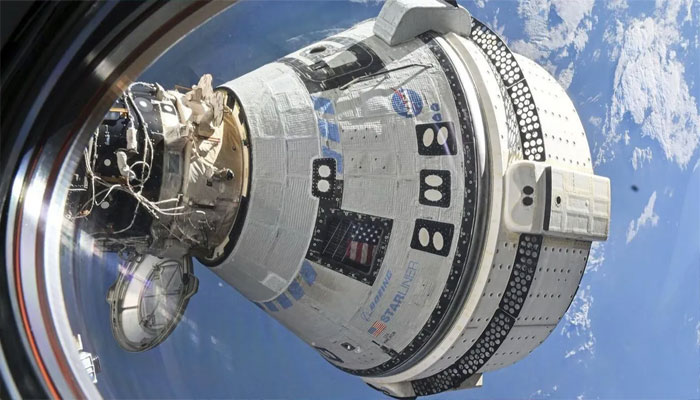
NASA is stepping up its support for Boeing’s troubled Starliner spacecraft, providing additional funding and resources to address safety issues and prepare the capsule for another flight.
The move follows Starliner’s troubled 2024 crewed test mission, when astronauts Butch Wilmore and Suni Williams were forced to remain aboard the International Space Station for nearly a year after problems with the spacecraft. NASA later classified the mission as a “Type A mishap,” its most serious category for a spaceflight incident.
NASA Administrator Jared Isaacman said Monday that Boeing is expected to launch an upgraded Starliner to the International Space Station as early as December. The initial flight will carry cargo but no astronauts, allowing NASA and Boeing to test the spacecraft following extensive modifications.
Astronauts are not expected to fly aboard Starliner again until 2028. NASA officials said additional safety redesigns and testing are required before the spacecraft can carry a crew.
NASA manager Dana Weigel said the agency wants to ensure that Starliner’s known problems have been fully addressed before astronauts return to the capsule.
NASA astronaut Woody Hoburg, who is expected to command the next Starliner mission, said the programme was moving in the right direction. He also paid tribute to Wilmore and Williams, calling them “American heroes” and saying he was humbled to follow them.
NASA Seeks Second Crew Transport Option
NASA has long sought two independent US systems for transporting astronauts to and from low Earth orbit. Following the retirement of the Space Shuttle, the agency awarded multibillion-dollar contracts to Boeing and SpaceX to develop crew transportation systems.
SpaceX’s Crew Dragon became the first commercial spacecraft to carry astronauts into orbit for NASA in 2020. The company is preparing for its 14th NASA crewed mission later this week.
Boeing’s Starliner, meanwhile, faced multiple delays and technical problems before finally carrying Wilmore and Williams to the space station. The astronauts ultimately returned to Earth aboard a SpaceX Dragon spacecraft roughly nine months later.
Starliner Upgrades to Cost Additional $359 Million
NASA expects to spend another $359 million on Starliner upgrades and related certification work, according to Weigel.
The planned modifications include replacing valves and seals and addressing other technical issues identified during the spacecraft’s previous missions.
NASA’s interest in keeping Starliner operational also extends beyond the current International Space Station. Although the ISS is expected to be retired and deorbited by 2031, several private companies are developing commercial space stations that will require dependable crew transportation.
SpaceX is also developing its much larger Starship system, which is intended for missions beyond low Earth orbit. NASA officials therefore continue to view Starliner as an important part of maintaining multiple US options for crewed transportation.
Isaacman said NASA remained committed to completing the Starliner programme with Boeing and described the effort as being on a positive path.
Comments are closed.