
US Deployed Expired Missiles in Iran War, Reprogrammed Tomahawk Operational Codes

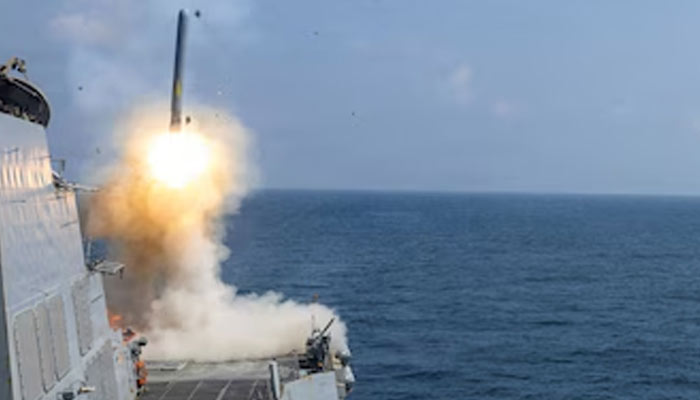
US Used Expired Tomahawk Missiles in Iran War, Reprogrammed Weapons to Restore Them
The US Navy has acknowledged deploying expired or previously unserviceable munitions, including Tomahawk cruise missiles, during its military campaign against Iran. The revelation has raised concerns about the condition of American weapons stockpiles and the growing pressure on the US defence industry to replenish precision-strike weapons.
Acting US Navy Secretary Hung Cao disclosed the practice during his confirmation hearing before the Senate Armed Services Committee on November 17 (US time). According to reports by The Wall Street Journal (WSJ) and Business Insider, the Navy restored certain ageing munitions by changing their operational codes before deploying them in Operation Epic Fury, which began in February.
Explaining the process to lawmakers, Cao compared restoring the weapons to making stale bread edible again. “You can put a little water on it, put it in the microwave, and it becomes edible again,” he said while responding to questions about the Navy’s efforts to bring ageing weapons back into service.
However, Cao did not reveal how many expired Tomahawks were used, their age or whether all the munitions subjected to recoding were cruise missiles. He also did not clarify how many weapons had undergone inspection, refurbishment or component replacement before deployment.
Iran War Drains US Missile Stockpiles
The disclosure comes amid growing concerns over the rapid depletion of American precision-guided weapons during the conflict with Iran.
According to a March 27 report by The Washington Post, US forces fired more than 850 Tomahawk cruise missiles during the first four weeks of fighting. A subsequent assessment published by the Centre for Strategic and International Studies (CSIS) on April 21 estimated that more than 1,000 missiles had been expended by the time the campaign was paused.
The scale of the expenditure is significant because Tomahawk missiles are costly and take considerable time to manufacture. The Washington Post reported that the latest versions can cost up to $3.6 million each and require as long as two years to produce.
The Navy had requested only 57 Tomahawk missiles under its fiscal year 2026 budget. CSIS estimated that the US may have possessed approximately 3,100 missiles before the Iran conflict, although the Pentagon does not publicly disclose the exact size of its inventory.
Cao also acknowledged the challenges of replenishing supplies. According to Business Insider, he said annual Tomahawk production had increased from approximately 125 missiles during his military career to more than 60 per month currently.
Why Using Expired Missiles Can Be Risky
An ammunition expiry date does not automatically mean that a missile becomes unusable or dangerous. However, it indicates that its components can no longer be guaranteed to meet the manufacturer’s original safety, reliability and performance standards without additional testing.
The United Nations’ Manual on Ammunition Management identifies several problems that can develop as munitions age. These include chemical deterioration of propellants and explosives, depletion of stabilising compounds, corrosion, damaged seals and the degradation of electronic components.
Such changes can affect a weapon’s ability to launch correctly, follow its intended trajectory and detonate as designed.
The risks are particularly significant for advanced cruise missiles such as the Tomahawk, which depend on several interconnected systems, including propulsion, navigation electronics and warhead mechanisms. A failure in even one critical component could affect the weapon’s performance.
How the US Navy Extends Missile Shelf Life
The US Navy has established procedures to extend the operational life of its missile inventory.
According to its fiscal year 2026 budget justification document, Tomahawk Block IV and Block V missiles have a service life of 30 years, with a 15-year deployment and recertification cycle.
The recertification process involves extensive examinations and testing of critical missile components, followed by repairs or replacements wherever necessary.
This means older or expired missiles can potentially be restored to operational condition after undergoing the required checks. However, changing a weapon’s ammunition status or operational codes alone does not establish that all its components have been refurbished or that it carries no additional risk.
The WSJ also highlighted concerns about the reliability of refurbished weapons. Its November 17 report noted that some refurbished Tomahawks deployed during an earlier US military operation had reportedly failed to explode, with some missiles subsequently discovered intact.
Growing Concerns Over America’s Weapons Readiness
The latest disclosure raises broader questions about the readiness of the US military as it faces sustained demand for advanced precision weapons.
The rapid consumption of Tomahawks during the Iran campaign, combined with lengthy manufacturing timelines and limited annual procurement, has placed additional pressure on American weapons supplies.
While recertification can help extend the service life of ageing missiles, the use of previously unserviceable munitions highlights the challenges of maintaining sufficient operational reserves during a prolonged conflict.
The concern extends beyond the age of individual weapons. It also reflects the widening gap between the pace at which advanced missiles are being used and the defence industry’s ability to manufacture replacements.
Comments are closed.