
Abhinav Bindra Releases IOA Letter, Raises Concerns Over Unresolved Questions on Election Rules

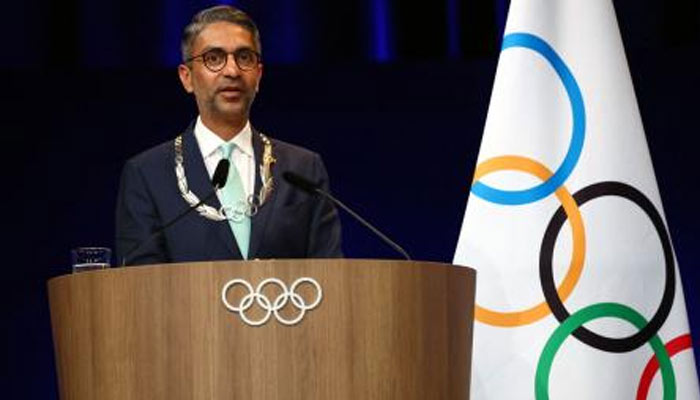
Abhinav Bindra Questions IOA’s Election Framework, Publishes Letter Seeking Constitutional Clarity
Olympic gold medallist Abhinav Bindra has brought the Indian Olympic Association’s (IOA) election procedures under fresh scrutiny by making public a letter he sent to its leadership, highlighting concerns over the interpretation of constitutional provisions governing the Sportspersons of Outstanding Merit (SOM) elections.
Bindra shared his October 31 correspondence with IOA president PT Usha and chief executive officer Raghuram Iyer, explaining that he had initially sought clarification privately before the electoral process. However, after the letter surfaced in media reports, he decided to release its complete contents to provide context to his concerns.
The former shooter said the key issue was the apparent difference between Article 3.7 of the IOA Constitution and the recently introduced SOM election rules. Although he received an indication of the regulations being applied, he maintained that his fundamental question about their constitutional compatibility remained unanswered.
Bindra clarified that his intervention was not aimed at any particular individual or intended to influence the election results. Instead, he called for greater transparency and accountability in the functioning of India’s sporting institutions.
He also emphasised that the credibility of an organisation depends on its willingness to address legitimate questions about its procedures. According to Bindra, the constitutional issue deserves attention irrespective of his decision not to contest the elections.
HOW THE SOM ELECTION SYSTEM WORKS
The IOA’s SOM Rules, ratified on September 8, 2026, established a new mechanism for selecting athlete representatives to the General Assembly.
Under the framework, the Electoral Officer prepares a list of 80 eligible sportspersons through a 10-tier eligibility system. Eight representatives, equally divided between men and women, are subsequently elected from this roster.
Bindra’s objection concerns whether this selection mechanism is consistent with Article 3.7 of the IOA Constitution. He had requested an explanation from the association before the elections but said he had not received a direct response addressing the constitutional question.
PT USHA’S ELECTION DEFEAT ADDS TO IOA CONTROVERSY
The issue has gained attention following the November 9 SOM elections, in which IOA president PT Usha failed to secure a position in the General Assembly after finishing fifth in the women’s category.
Anju Bobby George, Rani Rampal, Dola Banerjee and Saina Nehwal won the four available positions.
The electoral process has also faced allegations of external interference. Former sprinter Ashwini Nachappa claimed that pressure from outside forces led several candidates, including herself, to withdraw from the contest.
Usha has separately raised concerns over alleged violations of campaign rules and sought an independent review of the election process by the International Olympic Committee.
With the IOA Executive Council elections scheduled for December 5, questions surrounding the association’s electoral framework and institutional functioning remain in focus.
Bindra’s public disclosure has added another dimension to the debate, shifting attention towards the need for clear constitutional interpretation and transparent election procedures within India’s Olympic administration.
Comments are closed.