
AIFF, FSDL Joint Resolution in Supreme Court Offers Crucial Lifeline to ISL

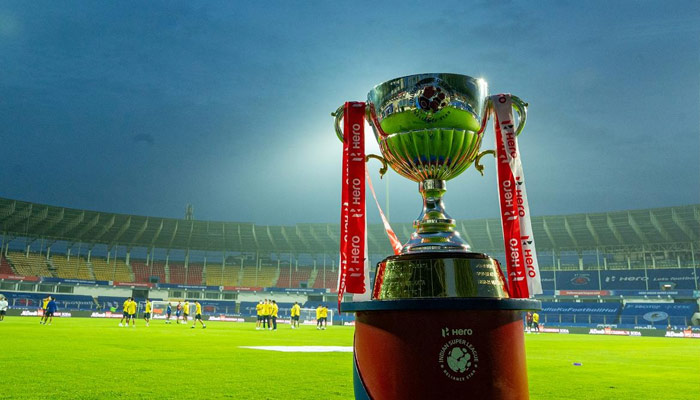
AIFF, FSDL Submit Joint Proposal to Supreme Court, Pave Way for Indian Football Reset.
The long-running standoff between the All India Football Federation (AIFF) and Football Sports Development Limited (FSDL) over the Master Rights Agreement (MRA) appears to be easing, with both sides presenting a joint proposal before the Supreme Court.
According to PTI, the court has deferred its verdict in the AIFF constitution case to September 1. In the meantime, the two parties have submitted a resolution that lays out a short-term roadmap for competitions, commercial tie-ups, and financial stability.
Super Cup to Open New Season
One of the key provisions is that the 2025–26 season will begin with the Super Cup—or a similar domestic tournament—before the league commences. By involving clubs across divisions, the tournament is intended to keep players and teams engaged while structural issues around the league are ironed out.
FSDL Clears Path for New Partner
In a significant move, FSDL has agreed to waive its contractual rights under the 2010 MRA, including the Right of First Negotiation and Right to Match. This opens the door for AIFF to bring in a new commercial partner through an open tender.
The tender will be conducted under the National Sports Development Code (2011), the National Sports Governance Act (2025), the AIFF Constitution, and FIFA/AFC rules. To ensure transparency, an independent professional firm—possibly one of the Big Four auditors—may be appointed to manage the process. The deadline for completion has been set for October 15, 2025.
Financial Breathing Space
On the financial front, FSDL has already released the September quarterly rights fee on August 18 and committed to disbursing the final tranche of ₹12.5 crore for October if required. This provides AIFF with short-term liquidity and avoids disruption to its ongoing programmes.
Step Towards Stability
In their submission, AIFF and FSDL described the proposal as a “significant step forward in the evolution of Indian football.” The framework, they argued, balances governance reforms with commercial clarity while offering stakeholders greater certainty.
If endorsed by the Supreme Court next week, the arrangement could set Indian football on a more stable path—ensuring competitions resume smoothly, finances remain secure, and governance aligns with both national law and global sporting standards.
Comments are closed.