
Ajit Doval to Visit China for Key SCO Meeting; Cross-Border Terrorism High on Agenda

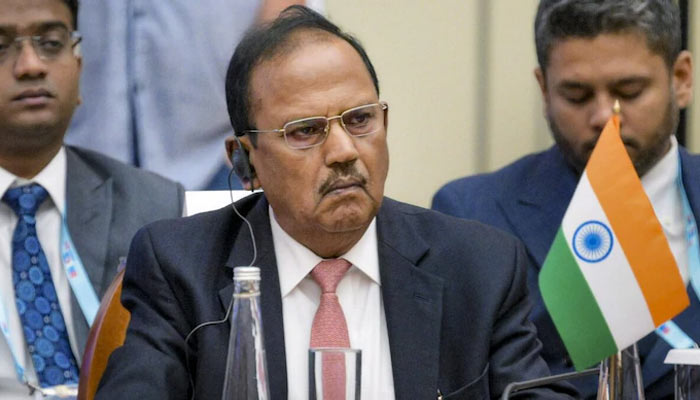
Ajit Doval Set to Visit China for Crucial SCO Summit; Terrorism, Pakistan Likely to Dominate Talks.
National Security Adviser Ajit Doval is preparing for a high-stakes visit to China for the upcoming Shanghai Cooperation Organisation (SCO) summit, where cross-border terrorism and regional security will dominate India’s agenda. His trip follows the recent Pahalgam terror attack, which India is expected to raise forcefully to corner Pakistan on the global stage.
According to top government sources, India aims to use the SCO platform to highlight Pakistan’s role in fostering terrorism, specifically pushing for the inclusion of Pakistan-based terror outfits like Jaish-e-Mohammad (JeM) in official SCO statements. Doval’s presence is viewed as part of a strategic effort to expose Pakistan’s duplicity and test China’s willingness to take a neutral or cooperative stance on the issue.
Terrorism at the Forefront, But China May Dilute Outcomes
While counterterrorism is expected to be a key point of discussion, sources caution that China’s close ties with Pakistan may prevent any strong condemnation or concrete outcomes. “China is attempting to stabilise ties with India and resume normal exchanges like direct flights, but is unlikely to endorse any tough language on Pakistan,” a senior official said.
India will also press for institutionalising counterterrorism efforts through the SCO’s Regional Anti-Terrorist Structure (RATS), but symbolic commitments rather than strategic shifts are anticipated.
Pahalgam Attack and the Draft Declaration
New Delhi is determined to ensure that the Pahalgam attack—in which several Indian security personnel lost their lives—is mentioned in the summit’s joint declaration, but Pakistan and China are expected to oppose any direct references. Indian negotiators are preparing for pushback while trying to build consensus among other SCO members.
Complex Iran Factor and Strategic Calculations
The evolving geopolitical context is further complicated by Iran’s inclusion in the SCO and its dual alignment—supporting India over Pahalgam while also maintaining close ties with China and Pakistan. Notably, Pakistan recently condemned U.S. airstrikes on Iranian nuclear sites, with Prime Minister Shehbaz Sharif convening a high-level national security meeting on June 23.
India, meanwhile, is pursuing Chabahar Port and the International North-South Transport Corridor (INSTC) as strategic alternatives to China’s Belt and Road Initiative (BRI). Sources confirmed that India has rejected Iran’s mediation offer on Kashmir, reinforcing its long-standing position on the bilateral nature of the issue.
Rajnath Singh May Join for Defence Ministers’ Meet
In another diplomatic development, Defence Minister Rajnath Singh is expected to travel to China to attend the SCO Defence Ministers’ Conclave in Qingdao from June 25 to 27—marking the first visit by a senior Indian minister to China since the 2020 Galwan Valley standoff.
Preparations are underway for a potential bilateral meeting between Singh and his Chinese counterpart, Admiral Dong Jun, on the sidelines of the conclave. Observers view the interaction as a delicate but important step in stabilising India-China ties amidst persistent border tensions.
Russia’s Quiet Support for India
While Russia is unlikely to take a confrontational tone publicly, sources suggest Moscow will quietly back India, especially on issues of terrorism, given the two nations’ continued cooperation in defence and energy.
Comments are closed.