
Backlash Against Sunrisers Hyderabad After Franchise Buys Pakistan Spinner in The Hundred

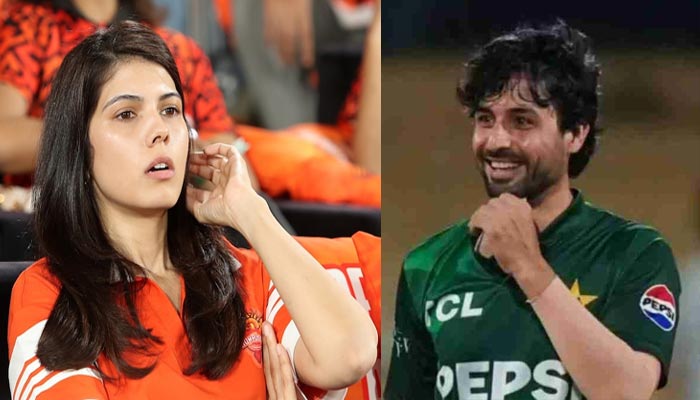
The inaugural auction of the private ownership era of The Hundred on March 12, 2026, was expected to be a celebratory milestone for the England and Wales Cricket Board (ECB). Instead, it has triggered a fierce controversy in India.
Sunrisers Leeds — a franchise owned by the Sun Group and linked to the IPL side Sunrisers Hyderabad — sparked a social media storm after winning a bidding war for Pakistan mystery spinner Abrar Ahmed.
The deal, worth £190,000 (around ₹2.34 crore), is significant as it marks the first time in several years that a franchise with Indian ownership has signed a Pakistani international player. While the move was welcomed in the UK as a triumph of merit-based selection, it has drawn sharp criticism from sections of Indian fans, some of whom have called for a boycott of the SunRisers brand.
The Hundred, an eight-team tournament, will be played in the UK from July 21 to August 16.
Controversial Posts Trigger Outrage
The backlash has largely been driven by allegations regarding a series of social media posts by Abrar Ahmed in mid-2025. Following a period of heightened tensions between India and Pakistan, the spinner had allegedly shared posts that some Indian users claimed mocked the Indian Armed Forces.
Soon after news of the signing emerged, hashtags such as #ShameOnSRH and #BoycottSunrisers began trending on X. Critics argued that offering a lucrative contract to a player accused of mocking Indian security forces showed disregard for national sentiment.
Some users also targeted SunRisers brand figurehead Kavya Maran, accusing her of aggressively bidding for Abrar during Thursday’s auction in London.
One user wrote on X:
“For years Indian teams avoided Pakistani players out of respect for national sentiment. But the moment money and foreign leagues enter the picture, that spine disappears. Indian owner, Indian brand, zero national backbone.”
Indian-Owned Team Signs Pakistani Player
The signing comes after months of speculation that the four Indian-owned teams in The Hundred — SunRisers Leeds, MI London, Manchester Super Giants and Southern Brave — would avoid recruiting Pakistani players.
A similar trend has been observed in leagues such as SA20 and ILT20, where franchises linked to IPL owners have historically refrained from signing Pakistan internationals.
However, on the eve of the auction, the ECB reportedly warned all eight teams that excluding players based on nationality would violate UK anti-discrimination laws.
Although several Pakistani stars — including Haris Rauf, Shadab Khan and Saim Ayub — went unsold in the early rounds of Thursday’s auction, SunRisers Leeds surprised many observers by outbidding Trent Rockets to secure Abrar.
Notably, this is the first season in the tournament’s six-year history to feature Indian franchise owners following the league’s privatisation last year.
Could Abrar Face a Mustafizur-Like Fate?
The backlash has also sparked speculation about whether SunRisers Leeds could eventually withdraw Abrar Ahmed’s contract.
Some users pointed to the recent case involving Mustafizur Rahman and Kolkata Knight Riders. In January 2026, despite signing the Bangladeshi pacer for ₹9.20 crore in the Indian Premier League auction, KKR was reportedly directed by the Board of Control for Cricket in India (BCCI) to terminate the contract after political pressure linked to violence against Hindus in Bangladesh.
While SunRisers Leeds operates under the ECB’s jurisdiction, some believe similar commercial or political pressure could still emerge given the franchise’s strong business ties to the Indian market.
Cricketing Masterstroke?
From a purely cricketing perspective, the move could prove to be a masterstroke by head coach Daniel Vettori.
Abrar Ahmed has established himself as one of the most dangerous white-ball spinners in world cricket, taking 52 wickets in 38 T20 internationals at an impressive economy rate of 6.67.
SunRisers Leeds officials have insisted that the decision was based purely on cricketing merit and squad balance. However, while the signing may strengthen the team on the field, it has created a public relations challenge for the franchise in one of its most important commercial markets — India.
Comments are closed.