
Bangladesh’s Hindu minority on edge amid rising attacks ahead of national polls

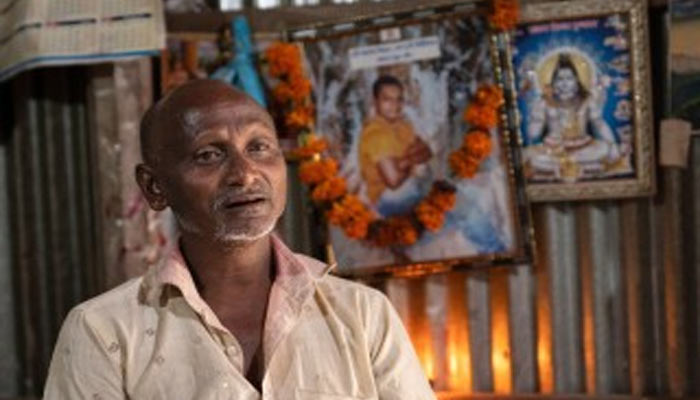
The brutal killing of a young Hindu garment worker in December has intensified fears among Bangladesh’s Hindu minority, as rights groups warn of a wider surge in communal violence ahead of next month’s national election.
Dipu Chandra Das, 27, was accused by several Muslim colleagues of making derogatory remarks about the Prophet Muhammad. A mob descended on his workplace, beat him to death, hung his body from a tree and set it on fire. Videos of the killing spread rapidly on social media, horrifying viewers across the country.
Protests erupted in Dhaka and other cities, demanding justice and stronger protections for minorities. The interim government led by Muhammad Yunus ordered an investigation, and police said around a dozen people were arrested.
But Hindu leaders and human rights groups say Das’ killing was not an isolated incident. They point to a broader rise in attacks on minorities driven by political uncertainty, rising polarization, the return of Islamist groups and what they describe as a culture of impunity, as Bangladesh heads toward elections on February 12.
“No one feels safe anymore,” said Ranjan Karmaker, a Dhaka-based Hindu rights activist. “Everyone is terrified.”
Surge in attacks
Hindus make up about 8 per cent of Bangladesh’s population — roughly 13.1 million people — in the Muslim-majority nation of 170 million.
The Bangladesh Hindu Buddhist Christian Unity Council says it has documented more than 2,000 incidents of communal violence since the ouster of former prime minister Sheikh Hasina in August 2024. These include at least 61 killings, 28 cases of violence against women — including rape and gang rape — and 95 attacks on places of worship involving vandalism, looting or arson.
The group has accused the Yunus-led administration of dismissing or downplaying reports of violence. The government has denied failing to protect minorities, insisting most incidents are not religiously motivated. An official from Yunus’ press team declined to comment when contacted.
Previous elections in Bangladesh have often been accompanied by violence, with minorities disproportionately affected. This time, fears are heightened by the absence of Hasina’s Awami League from the race and her exile in India. Hindus have long been perceived as aligned with her party, making them vulnerable targets, activists say.
“Those responsible are not being held accountable,” Karmaker said. “That sends a message the violence will continue.”
Islamists regain ground
The violence has coincided with the political reemergence of Jamaat-e-Islami, Bangladesh’s largest Islamist party, after years of bans and crackdowns under Hasina’s rule. Jamaat now leads an alliance of 11 Islamist parties and sees the election as a chance to regain influence.
While the party has sought to soften its image — organizing rallies with Hindu participants and nominating a Hindu community leader as a candidate — analysts say such moves are largely symbolic.
Political analyst Altaf Parvez said a pattern of intimidation was unfolding in rural areas ahead of the vote. “It will affect participation by minority voters,” he warned.
Tensions with India
The attacks have strained relations with India, where Hindu nationalist groups have staged protests. New Delhi has accused Bangladesh of downplaying a “disturbing pattern” of violence against Hindus — a charge Dhaka has rejected as politically motivated.
The dispute has spilled into diplomacy and sport, with visa curbs, diplomatic tensions and protests affecting cricket ties between the two countries.
‘I demand justice’
For Das’ family, the violence has left lasting scars.
“They beat him, hung him from a tree and burned him,” his mother, Shefali Rani Das, said. “I demand justice.”
Das, described by relatives as quiet and hardworking, was the sole breadwinner for his family. His killing has left his wife and mother facing an uncertain future — a reality many Hindu families fear could soon be their own.
Comments are closed.