

As temperatures climb, staying cool isn’t just about comfort—it’s essential for protecting your health.
Excessive heat can increase the risk of dehydration, heat exhaustion and heatstroke, especially during prolonged outdoor exposure. Fortunately, a few simple habits can help you stay cool and reduce the impact of extreme weather.
1. Stay Hydrated
Drink water regularly throughout the day, even before you feel thirsty. Coconut water, fresh lemon water and homemade electrolyte drinks can also help replace fluids and minerals lost through sweating.
2. Cool Your Pulse Points
Run cool water over your wrists, neck, ankles and behind your knees. Applying a cold, damp cloth to these areas helps lower your body temperature quickly.
3. Eat Hydrating Foods
Choose fruits and vegetables with high water content, such as watermelon, cucumber, muskmelon, oranges, strawberries and tomatoes. They keep you hydrated while providing essential nutrients.
4. Wear Breathable Clothing
Opt for loose-fitting clothes made from cotton or linen. Light-coloured fabrics reflect sunlight and allow better airflow, helping sweat evaporate more efficiently.
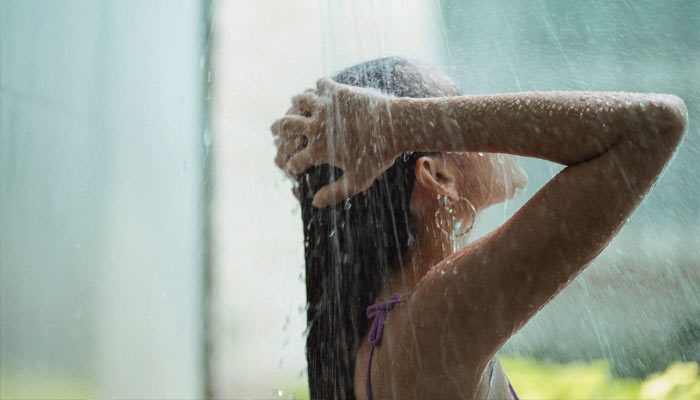
5. Take a Cool Shower
A cool shower can quickly reduce body heat. If that’s not possible, soaking your feet in cool water or wiping your body with a wet towel can also provide relief.
6. Use a Cold Compress
Place a chilled, damp towel on your forehead, neck or shoulders for instant cooling. You can also wrap an ice pack in a cloth and apply it briefly to avoid direct contact with the skin.
7. Choose Light Meals
Heavy meals generate more body heat during digestion. Instead, eat smaller portions that include salads, yogurt, fruits and other easy-to-digest foods.
8. Avoid Peak Heat Hours
Limit outdoor activities between 11 a.m. and 4 p.m., when temperatures are usually at their highest. If you need to step outside, wear a hat, sunglasses and carry a water bottle.
9. Make Fans More Effective
Use fans alongside open windows for better air circulation. Placing a bowl of ice or a frozen bottle of water in front of a fan can create a temporary cooling breeze.
10. Cut Back on Dehydrating Drinks
Caffeinated beverages and alcohol can contribute to dehydration. Instead, choose water, herbal teas or fresh fruit juices to stay refreshed.
Watch Out for Heat-Related Illness
If you experience dizziness, muscle cramps, nausea, headache, excessive sweating, weakness or confusion after being in the heat, move to a cool place immediately, drink fluids and rest. Seek medical attention if symptoms worsen, persist or if you suspect heatstroke, as it requires urgent treatment.
Comments are closed.