
Can Poor AQI Cause Eye Inflammation? Ophthalmologist Explains How Toxic Air Affects Eye Health

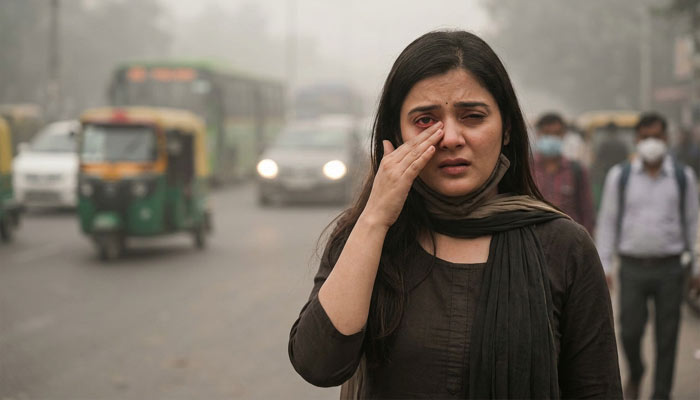
Delhi Air Pollution: Can Toxic AQI Trigger Eye Inflammation? Ophthalmologist Explains Warning Signs and Precautions
Delhi’s air quality may have shown some improvement after the post-Diwali pollution surge, but the situation remains a concern for residents. After the city’s Air Quality Index (AQI) reached 376 on Diwali night, November 8, toxic air continued to affect the capital for several days, with pollution levels fluctuating between the very poor and severe categories.
On November 16, Delhi recorded an AQI of 216, bringing some relief as stronger winds and light rainfall helped disperse pollutants. However, weather forecasts suggested that air quality could worsen again from November 17. The pollution problem is not limited to Delhi, as several other cities, including Gajraula in Uttar Pradesh and Sonipat in Haryana, have also reported elevated pollution levels.
Although the harmful effects of air pollution on respiratory health are widely discussed, prolonged exposure can also affect the eyes. Redness, itching, excessive watering and a burning sensation are among the common complaints reported during periods of heavy smog.
To understand how polluted air affects eye health, who faces a greater risk and what precautions can help, we spoke to an ophthalmologist.
How Does Toxic Air Affect Your Eyes?
The eyes have a natural protective mechanism in the form of a thin tear film. It keeps the surface moist and helps remove dust and other foreign particles. However, prolonged exposure to pollutants such as particulate matter, nitrogen dioxide, sulphur dioxide and ozone can disturb this protective layer.
A review published in the International Journal of Environmental Research and Public Health has highlighted associations between air pollution and various eye-related conditions, particularly inflammation of the conjunctiva, the membrane covering the white portion of the eyes and the inner surface of the eyelids.
Dr Mahipal Singh Sachdev, Chairman and Managing Director of Centre for Sight Group of Hospitals, explains that fine particulate matter can settle directly on the eye’s surface and contribute to inflammation.
According to him, prolonged exposure increases the possibility of irritation, particularly among individuals who already experience dry eyes, allergies or other ocular surface problems.
Common Eye Symptoms During High AQI Levels
Exposure to polluted air can cause several uncomfortable symptoms. These may initially appear mild but can become more troublesome with continued exposure.
Some commonly reported symptoms include:
- Redness and irritation in the eyes
- Persistent itching and burning sensations
- Excessive watering
- A feeling of dust or a foreign particle inside the eye
- Increased dryness and discomfort
Dr Sachdev points out that pollution-related eye complaints have become increasingly noticeable during periods of heavy smog.
Fine particles and harmful chemicals can come into contact with the ocular surface, triggering irritation and inflammation. People with existing dry-eye disease or allergic conjunctivitis may experience more frequent flare-ups.
Contact-lens users should also exercise additional caution, as particles and irritants can accumulate around contact lenses and aggravate discomfort.
Can Air Pollution Lead to Eye Infections?
Pollution can disturb the eye’s natural protective surface and worsen existing inflammatory conditions. However, irritation caused by polluted air is not necessarily the same as an eye infection.
Conditions such as dry-eye disease and allergic conjunctivitis have been associated with exposure to environmental pollutants. Researchers have also examined possible links between long-term pollution exposure and more serious conditions, including glaucoma and age-related macular degeneration.
However, these associations do not establish that pollution directly causes every such condition. Further research is needed to understand the long-term effects.
How to Protect Your Eyes During Severe Pollution
Taking a few precautions can help minimise exposure and reduce discomfort during days when AQI levels remain high.
Dr Sachdev recommends limiting outdoor activities as much as possible during periods of heavy pollution. If going outside is unavoidable, wearing protective glasses or sunglasses can help reduce direct exposure to dust and airborne particles.
Other precautions include:
Clean your eyes and face: Gently wash your face and eyelids with clean water after returning home.
Avoid rubbing your eyes: Rubbing can aggravate irritation and potentially worsen inflammation.
Keep your eyes lubricated: Preservative-free artificial tears may help relieve dryness, but their use should be discussed with an ophthalmologist.
Take care with contact lenses: Follow proper hygiene practices and avoid wearing lenses when they cause irritation.
Reduce outdoor exposure: Avoid unnecessary outdoor activities when pollution levels are particularly high.
People should also avoid using leftover prescription eye drops or self-medicating without professional advice.
When Should You Consult an Eye Specialist?
Mild irritation may improve after moving away from polluted surroundings and cleaning the face. However, symptoms that persist or become more severe should not be ignored.
Dr Sachdev advises seeking medical attention if redness, excessive watering or discomfort continues. Eye pain, blurred vision, significant redness or sudden changes in eyesight require prompt medical assessment.
With air pollution continuing to pose challenges across several cities, protecting eye health is an important part of everyday precautions. Monitoring AQI levels, reducing exposure to toxic air and seeking timely medical advice can help prevent minor irritation from developing into a more serious problem.
Comments are closed.