
China suspends 24% tariff on US imports for one year, retains 10% duty

China has announced the suspension of an additional 24% tariff on US goods for one year.
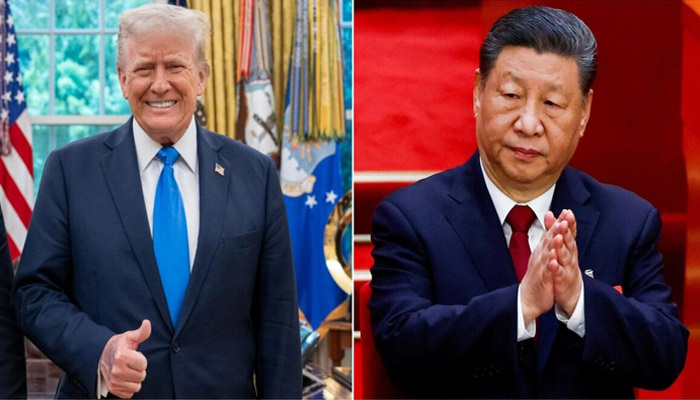
While maintaining an existing 10% levy, in a move aimed at easing trade tensions between Beijing and Washington. The decision, announced by the State Council Tariff Commission on Wednesday, follows last week’s high-level meeting between Chinese President Xi Jinping and US President Donald Trump.
The suspension takes immediate effect and will remain in place for one year, according to the commission’s statement. While the 24% tariff will be lifted temporarily, the 10% duty on US imports will continue during this period.
The move signals a cautious but positive step toward stabilising trade relations between the world’s two largest economies, which have been strained by years of escalating tariffs and countermeasures. Analysts say it reflects Beijing’s intent to de-escalate trade frictions and strengthen diplomatic engagement following what both sides described as a “productive” meeting in Busan.
In addition to the tariff suspension, China also announced plans to lift tariffs of up to 15% on selected US agricultural products — including soybeans, corn, wheat, and pork — starting November 10. The easing is expected to provide relief to American farmers, who have been among the hardest hit by the trade dispute.
The White House welcomed the move, with President Trump calling his talks with Xi “amazing” and describing them as the beginning of “a fantastic new chapter” in US–China relations. “President Xi has agreed to work on reducing fentanyl exports, to resume large-scale soybean purchases, and to lower overall tariffs,” Trump said after the meeting.
The talks in Busan marked the first direct engagement between the two leaders in months and produced what both sides have described as “constructive progress” on multiple issues, including trade, energy cooperation, and export controls on critical minerals.
While details of further agreements are expected to be released soon, both governments have signaled a willingness to continue dialogue — a development observers see as key to restoring stability in global trade markets.
Economists, however, cautioned that the move remains a temporary measure and not a comprehensive resolution. “The suspension shows goodwill, but the underlying structural issues between China and the US — from technology restrictions to supply-chain security — still need major negotiations,” said one Beijing-based analyst.
Comments are closed.