
Climate Change and Industrial Pollution Fuel Healthcare Crisis in Bangladesh

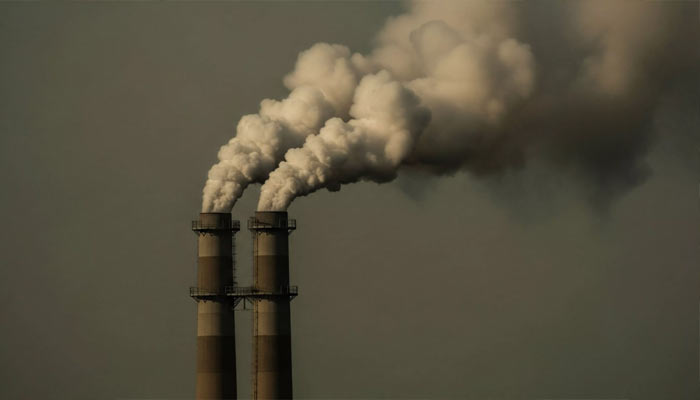
Climate Change and Industrial Pollution Worsen Healthcare Crisis in Bangladesh.
Bangladesh is facing a deepening healthcare crisis as climate change and industrial pollution take a growing toll on public health, according to a recent report by The Irish Times. Despite contributing only about 0.3% of global CO₂ emissions from fossil fuels, air quality in the capital, Dhaka, regularly ranks among the worst in the world.
The poor air quality is linked to a surge in respiratory and chronic diseases, including asthma, lung cancer, bronchitis, pneumonia, and chronic obstructive pulmonary disease. Experts warn that Bangladesh’s flat, low-lying geography makes it one of the most vulnerable countries to climate change.
With a population of approximately 174 million, Bangladesh could become the world’s most populous city by 2050, according to the United Nations.
“If environmental pollution continues unchecked, Bangladesh’s healthcare system could completely break down,” said Dr. Mustafijur Rahman of the National Institute of Diseases of the Chest and Hospital in Dhaka. He noted that many residents live in slums adjacent to industrial areas, where inadequate sewage systems contribute to the rapid spread of infections.
“Brickfields, garment factories, and tanneries around Dhaka pose serious health hazards,” he added. “Fumes pollute the air, and hazardous materials contaminate rivers.”
High healthcare costs are also forcing many into debt, prompting some to attempt risky migrations abroad, often through illegal routes across the Mediterranean.
Dr. Md. Safiun Islam, assistant professor of respiratory medicine, said patient numbers have “exponentially increased” over the past five years, with ICU queues of 20-30 people becoming common. “Controlling pollution-producing sectors is an emergency,” he said.
Ahead of elections on February 12, the first since long-time Prime Minister Sheikh Hasina was ousted in August 2024, Rahman urged the incoming government to separate industrial zones from residential areas, improve sanitation, and educate citizens on hygiene and disease prevention. He called for “proper planning” and placing the “right person in the right position” to address the crisis effectively.
Comments are closed.