
Climate change may raise child stunting risk in South Asia by 2050: Study

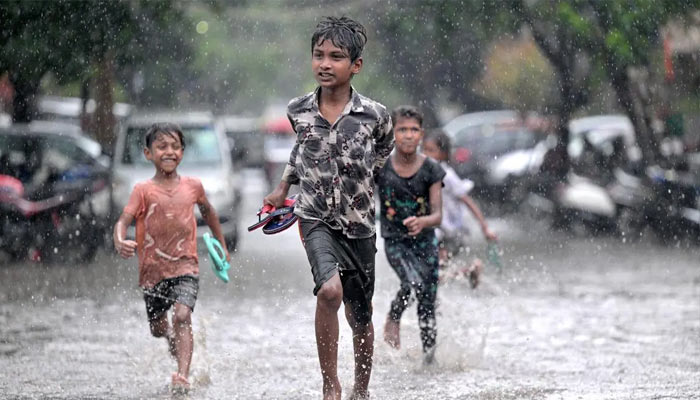
Hot and humid conditions intensified by climate change could increase the number of stunted children in South Asia by more than three million by 2050, according to a new study.
Researchers from the University of California, Santa Barbara examined how exposure to extreme heat and humidity during pregnancy affects child health outcomes in the densely populated region. The study focused on “height-for-age”, a widely used indicator of chronic health and nutrition for children under five.
The findings, published in the journal Science, show that humidity significantly amplifies the harmful effects of heat exposure, largely because it prevents the human body from cooling efficiently. Pregnant women are particularly vulnerable to heat stress due to physiological changes and increased metabolic demands, raising the risk of overheating.
The study found that exposure during very early and very late stages of pregnancy posed the greatest risk.
“At the beginning of pregnancy, the fetus is very vulnerable, while at the end of pregnancy, the mother is more vulnerable,” said lead author Katie McMahon, a doctoral student at UCSB.
Analysis of third-trimester exposure revealed that the adverse health impacts of combined heat and humidity were nearly four times worse than those from high temperatures alone, said Kathy Baylis, a professor in UCSB’s geography department.
To measure heat stress more accurately, the researchers used wet-bulb globe temperature (WBGT), which accounts for humidity, radiant heat and airflow in addition to air temperature.
The study also found that each additional day with a maximum WBGT above 29 degrees Celsius was associated with fewer live births six to 12 months later. However, days with temperatures exceeding 35 degrees Celsius were linked to a short-term increase in birth rates within three months of exposure.
These patterns align with earlier research suggesting that extreme heat can trigger premature births, while prolonged hot and humid conditions may reduce overall conception rates, increase early pregnancy loss, or both.
“Exposure to hot, humid conditions in utero is dangerous for child health, and more dangerous than hot temperatures alone,” McMahon said.
With continued global warming, such conditions are projected to become more frequent and intense, particularly in South Asia — one of the world’s most densely populated and climate-vulnerable regions.
The researchers estimate that hot-humid exposure alone could lead to more than three million additional cases of child stunting in South Asia by mid-century. They warned that focusing only on air temperature may cause public health officials and researchers to underestimate the true health impacts of extreme weather.
The analysis used child health data from the Demographic and Health Surveys (DHS), alongside daily weather data produced by UCSB’s Climate Hazards Center.
Comments are closed.