

Regional governments across Europe are emerging as key actors in protecting public health from the growing impacts of climate change, according to a new report by the World Health Organization Regional Office for Europe.
Developed through the WHO Regions for Health Network, the report draws on contributions from regional health authorities and research institutions in Andalusia, Emilia-Romagna, Flanders, Ticino, Moscow and Wales. It examines how subnational governments are developing climate strategies that place human health at the centre of policy action.
The report notes that climate change is no longer just an environmental concern. Rising global temperatures are intensifying heatwaves, floods, droughts and storms, exposing communities to significant health risks. From heat-related illness and worsening air pollution to the spread of infectious diseases and increased mental stress after disasters, climate change is becoming one of the defining public health challenges of the century.
Rising temperatures bring new health risks
Extreme heat has emerged as the most immediate and widespread threat across the regions studied. Longer and more intense heatwaves are putting vulnerable groups — including older adults, children and people with chronic illnesses — at greater risk of illness and death.
Urban areas face additional challenges due to the “heat island” effect, where buildings, roads and heavy traffic trap heat. In many cities, warmer nights prevent the body from cooling down after a hot day, increasing the risk of cardiovascular and respiratory problems, especially among the elderly.
To address these threats, several regions are strengthening heatwave preparedness by monitoring temperature patterns and introducing public alerts, health protection plans and emergency response systems.
Water, air and disease concerns growing
Climate change is also reshaping environmental risks across Europe. In southern regions such as Andalusia, prolonged droughts are threatening water supplies and agricultural production. Meanwhile, other areas are experiencing heavier rainfall and rising sea levels, increasing the risk of flooding that can damage infrastructure and contaminate drinking water sources.
The report also warns that warmer conditions are enabling mosquitoes and other disease-carrying insects to expand into new areas. Some regions have already reported outbreaks of illnesses such as Dengue and Chikungunya, while West Nile virus has become established in certain locations.
Air quality is another concern. Heatwaves and stagnant air can trap pollutants such as ozone and particulate matter, worsening respiratory diseases and heart conditions, particularly in urban areas with heavy traffic and industrial activity.
Climate change is affecting mental health too
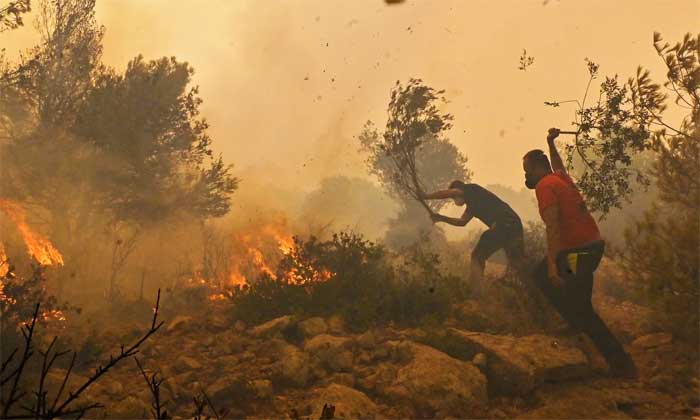
Beyond physical illness, the report highlights the growing mental health impacts of climate change. Extreme weather events such as floods and wildfires can cause anxiety, trauma and long-term psychological stress, particularly for people who lose homes, livelihoods or community infrastructure.
Regional health authorities are increasingly recognising the need to include mental health support in climate preparedness strategies. Some regions are already integrating psychological care into disaster response plans, acknowledging that climate-related emergencies affect both physical and emotional well-being.
Regional governments taking action
According to the report, regional governments are well positioned to lead climate-health responses because they oversee services such as hospitals, environmental protection, urban planning and emergency management. This allows them to design solutions tailored to local conditions.
Several regions have introduced climate legislation, adaptation strategies and early-warning systems that connect environmental monitoring with health data. These systems track factors such as temperature, air quality and hospital admissions, enabling authorities to respond quickly to emerging health risks.
Public engagement has also become a key focus. Regional governments are working with municipalities and communities to develop local climate action plans, while awareness campaigns help citizens understand how to protect themselves during heatwaves and other climate-related emergencies.
Health systems join the climate response
Healthcare systems are also becoming more involved in climate action. Hospitals and medical facilities in several regions are investing in renewable energy, energy-efficient buildings and sustainable supply chains to reduce their carbon footprint.
Infrastructure upgrades are also helping ensure that hospitals remain operational during extreme weather events — a critical step as climate-related emergencies increase the demand for healthcare services.
However, the report notes that challenges remain. Coordinating climate policies across multiple sectors can be complex, and some regions face funding limitations or gaps in climate-health data. Social inequalities also mean that poorer communities often face greater exposure to climate risks.
Despite these challenges, the findings suggest that regional leadership will play a crucial role in protecting public health as climate change intensifies. By integrating climate policy with health planning, improving early-warning systems and working closely with communities, regional governments across Europe are beginning to build more resilient health systems for the future.
Comments are closed.