
Congress MLA Calls for Separate North Karnataka State, Citing Years of Regional Neglect

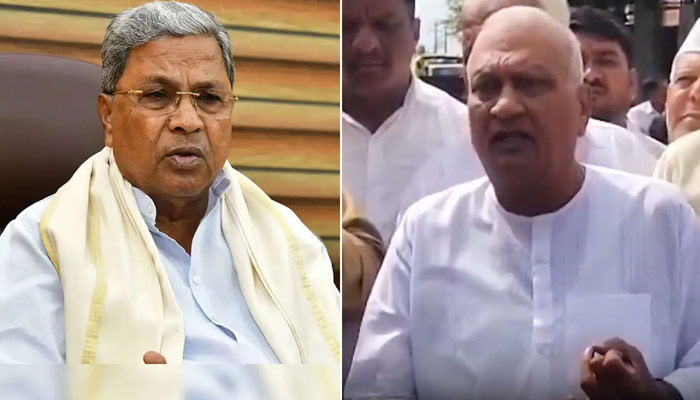
Karnataka Congress MLA Bharamgouda (Raju) Kage has renewed the call for a separate North Karnataka state, saying the region has faced decades of “neglect and discrimination” under the unified Karnataka administration.
In a letter addressed to President Droupadi Murmu, Prime Minister Narendra Modi, Governor Thaawarchand Gehlot, and Chief Minister Siddaramaiah, Kage urged the government to take up the long-pending demand “in the interest of equitable development and administrative efficiency.”
The MLA from Gokak argued that despite contributing significantly to the state’s economy, North Karnataka continues to lag behind in infrastructure, education, employment, and irrigation projects. “Our region has suffered consistent injustice in every sector since the unification of Karnataka,” he wrote.
Kage proposed that the new state comprise 15 districts — Bidar, Kalaburagi, Vijayapura, Yadgir, Bagalkote, Belagavi, Dharwad, Gadag, Koppal, Raichur, Uttara Kannada, Haveri, Vijayanagara, Ballari, and Davanagere — to ensure focused governance and regional growth.
He also expressed support for the North Karnataka Struggle Committee’s signature campaign, which he said has already garnered over one crore signatures from citizens backing the demand. Memorandums, he noted, had previously been submitted to the President and the Prime Minister’s Office in January this year.
Kage added that he intends to raise the issue in the upcoming December Assembly session, asserting that he is ready to “lead the movement” if needed. “The creation of a new state will not divide Karnataka — it will create another proud Kannada-speaking region that can progress with autonomy,” he said.
The letter, dated November 4 and released by his office earlier this week, has rekindled political debate across the state. The demand for separate statehood for North Karnataka has periodically surfaced over concerns of unequal development and limited representation in policymaking.
Comments are closed.