

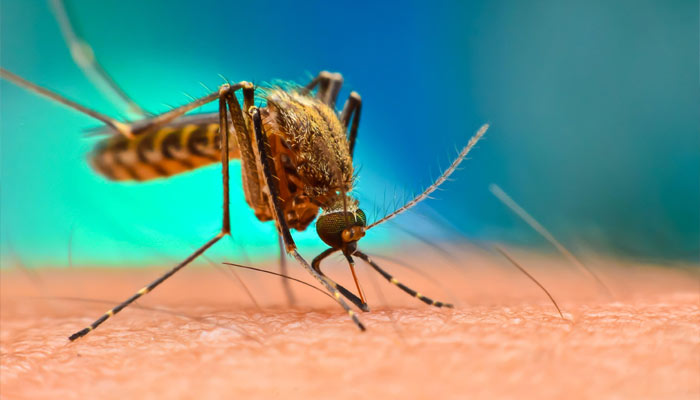
Even before the arrival of the monsoon, dengue cases are already climbing across several parts of India, raising fresh concerns among health experts who now warn that the disease is no longer confined to the rainy season alone.
For years, dengue outbreaks were largely associated with monsoon months, when stagnant rainwater created ideal breeding grounds for mosquitoes. But doctors say the pattern has shifted dramatically in recent years. Rising temperatures, erratic rainfall, rapid urbanisation and poor waste management have extended mosquito breeding cycles, allowing dengue transmission to continue for much longer periods every year.
Experts now describe dengue as an emerging year-round public health challenge rather than a seasonal illness.
Research data indicates that the window suitable for dengue transmission in India has steadily expanded over the past few decades. Between 2012 and 2021, conditions favourable for transmission reportedly lasted nearly 5.6 months annually, making outbreaks harder to predict and contain.
One of the biggest concerns for doctors is that dengue still has no specific antiviral treatment. Most patients are managed through supportive care, including hydration, fever control and continuous monitoring to prevent severe complications.
Dr Sanjay Sarin said dengue’s growing spread reflects a much larger public health challenge.
“Dengue is no longer a seasonal disease; it has become a year-round concern,” he said, adding that India’s actual case burden is likely much higher than official surveillance figures.
He also stressed that delayed diagnosis continues to remain one of the biggest challenges in dengue management.
“Prevention through vector control and vaccines remains important, but once infection occurs, there is still no medicine that directly fights the virus. Early diagnosis is therefore critical,” he explained.
Doctors say many patients continue to mistake dengue symptoms for a routine viral fever, often delaying medical attention during the most important phase of infection.
Symptoms such as sudden high fever, severe body pain, headaches, nausea, fatigue, pain behind the eyes and skin rashes should not be ignored, especially during periods of increased mosquito activity.
Dr Tushar Tayal said timely testing and monitoring can significantly reduce the risk of severe illness.
“With dengue cases rising steadily, awareness and early medical intervention are extremely important. Early diagnosis allows doctors to begin monitoring patients quickly and helps prevent complications,” he said.
Doctors also highlighted the importance of rapid dengue blood tests and platelet monitoring in detecting infections early.
Medical experts recommend taking the NS1 antigen test within the first few days of symptoms, as it can help confirm infection during the early stage and improve patient management.
At the same time, prevention continues to remain the most effective defence against dengue.
Health experts advise people to regularly clear stagnant water around homes, use mosquito repellents, wear full-sleeved clothing and minimise mosquito exposure during early mornings and evenings when mosquito activity tends to be higher.
With dengue cases already rising ahead of the monsoon season, doctors warn that public awareness, early diagnosis and preventive measures will play a crucial role in limiting the spread of the disease in the coming months.
Comments are closed.