
Earth records third-hottest September as global temperatures remain near historic highs

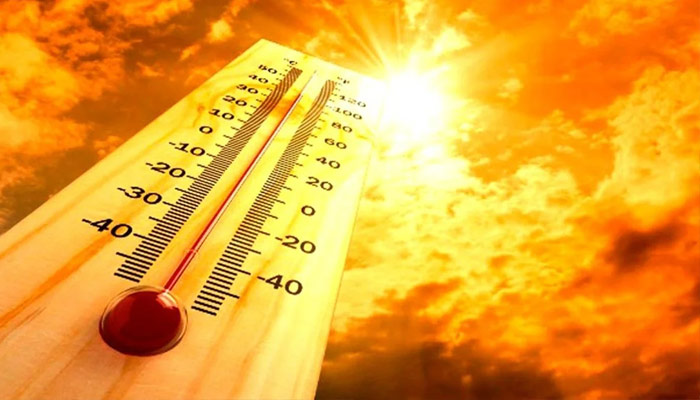
The world experienced its third-hottest September on record, according to the Copernicus Climate Change Service, as global average temperatures remained alarmingly close to historic highs.
Although September 2025 did not surpass the record set in 2023, it was only slightly cooler than the same month last year, reflecting the persistence of elevated temperatures worldwide.
“The global temperature context remains largely unchanged, with land and sea surface temperatures continuing to reflect the long-term impact of greenhouse gas accumulation in the atmosphere,” said Samantha Burgess, strategic lead for climate at Copernicus.
Global temperatures for September were 1.47°C above the 1850–1900 pre-industrial baseline, a period before significant human-induced climate changes began. While such increments may seem modest, scientists warn that even fractions of a degree of warming can destabilize ecosystems, increase the frequency of extreme weather events, and trigger destructive climate tipping points.
The steady rise in global temperatures is driven primarily by human emissions of greenhouse gases, largely from fossil fuel use since the industrial revolution. Current trends indicate that 2025 is on track to become the third-hottest year, following 2024 and 2023.
These findings come ahead of the upcoming UN climate negotiations in Brazil, where nations are expected to review global efforts to mitigate climate change. Experts caution that major economies are not reducing emissions quickly enough to prevent the most severe impacts, while many continue to approve new fossil fuel projects.
Copernicus’ climate assessments rely on billions of measurements collected from satellites, ships, aircraft, and weather stations. While its instrumental records date back to 1940, scientists also incorporate data from ice cores, tree rings, and coral skeletons to reconstruct climate patterns over much longer periods.
Current evidence suggests that the present era may be the warmest the Earth has experienced in the past 125,000 years, highlighting the urgent need for accelerated global climate action.
Comments are closed.