
ENG vs IND, 1st Test: Gill’s Grit Falls Short as Familiar Failings Haunt India in Leeds

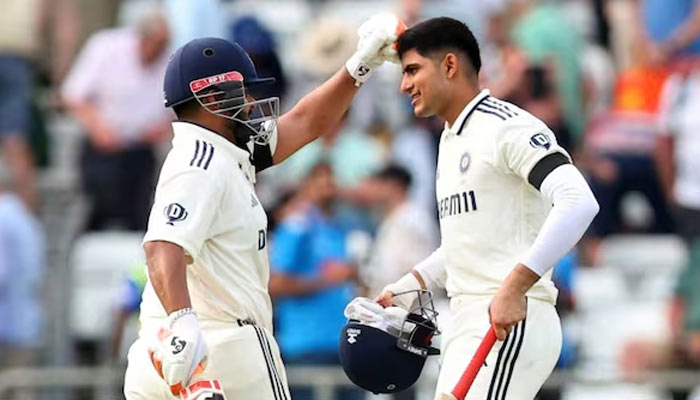
Shubman Gill’s Captaincy Debut Ends in Heartbreak as Familiar Flaws Haunt India in Leeds
It was a trial by fire for Shubman Gill in his Test captaincy debut, and despite moments of promise, India’s familiar failings returned to cost them a match they should have sealed. Despite posting 800+ runs across two innings, including four centuries and a five-wicket haul by Jasprit Bumrah, India fell short as England pulled off a record-breaking chase to go 1-0 up in the five-Test Anderson–Tendulkar Trophy.
England chased down 371 runs, their second-highest successful chase in Test history, driven by their signature aggressive style dubbed ‘Bazball.’ Ben Duckett’s explosive 149 was the centrepiece of the final innings, with the hosts overhauling the target in just 84.4 overs—at a run rate of 4.38 per over—to win by five wickets.
Opportunities Missed and Questions Raised
India had multiple moments in the game where they were in control: at 430/3 in the first innings and 333/4 in the second, yet they squandered both positions to collapse to 471 and 364, respectively. Speaking after the match, Gill acknowledged that the lower-order collapses hurt India’s chances.
“We were eyeing 430–435 before a declaration. But losing six wickets for around 20–25 runs wasn’t ideal,” he admitted.
India’s decision to not play five frontline bowlers backfired, leaving Jasprit Bumrah to shoulder the bowling burden once again. The move proved costly as the other pacers failed to provide sustained pressure.
Bumrah Alone Can’t Win It
While Bumrah was sensational in the first innings with 5/83, he went wicketless in the second despite bowling 19 overs. The rest of the bowling attack looked toothless. Mohammed Siraj and Prasidh Krishna, fresh off the IPL, failed to replicate the same energy in red-ball conditions.
Shardul Thakur was underbowled in the first innings and ineffective with the bat. When finally given a longer spell in the second innings, he responded with two quick wickets, including the prized scalp of Duckett. But it came too late.
In contrast, Duckett and Zak Crawley put on a game-defining 188-run opening stand, blunting Bumrah and attacking the rest. Duckett, who earned Player of the Match honours, credited the team’s efforts to negate Bumrah.
“Bumrah was brilliant in the first innings. Limiting his impact today was massive,” Duckett said.
England Hold Nerve, India Falter in the Field
Despite losing wickets after the Duckett–Crawley partnership, England’s experience shone through. Joe Root’s unbeaten 53 ensured they crossed the finish line without panic, aided by India’s sloppy fielding and lack of bowling firepower.
Even with a depleted bowling unit missing Jofra Archer, Mark Wood, and Gus Atkinson, England’s replacements stepped up. Josh Tongue claimed seven wickets, and Brydon Carse bowled tight spells, choking India’s scoring options. Ben Stokes led with intent, taking five wickets across both innings, ensuring India never ran away with the game.
Gambhir’s Gamble Backfires
With the defeat, questions will mount over head coach Gautam Gambhir’s strategies and selection choices. India have now lost six of their last eleven Tests under his watch, and the pressure is increasing as the series intensifies.
The decision to back an untested pace trio alongside Bumrah, while leaving out a specialist spinner or fifth bowler, is likely to draw sharp criticism. Additionally, India’s lower middle-order fragility continues to be an area of concern.
Looking Ahead: Adjustments Required
Despite the defeat, there were some positives. Gill’s maiden century in SENA conditions silenced some critics. Vice-captain Yashasvi Jaiswal’s twin centuries were outstanding. But unless India find solutions for their bowling imbalance, fielding lapses, and lower-order fragility, their road in this high-stakes series will only get tougher.
The teams now get a short break before the second Test in Birmingham, starting July 2, giving India time to reassess, regroup, and possibly make changes to turn the tide in their favour.
Comments are closed.