

International holidays may seem far removed from geopolitical tensions, but the aviation industry is closely tied to global developments.
As hostilities between Iran and Israel intensify, the effects are beginning to ripple through international air travel, potentially impacting Indians planning summer vacations abroad.
From higher ticket prices to longer flight routes and uncertainty around transit hubs, the ongoing conflict in West Asia is gradually influencing travel patterns during one of the busiest holiday seasons for Indian travellers.
Why the Conflict Matters for Indian Travellers
The Middle East lies along some of the world’s busiest aviation corridors. Flights connecting India with destinations in Europe and North America typically pass through airspace over the Gulf region before heading west.
When geopolitical tensions lead to restricted or avoided airspace, airlines often reroute flights along longer paths. These detours increase flight duration and raise operational costs, particularly fuel consumption. Over time, such additional costs often translate into higher airfares, especially during peak travel periods like the summer holiday season.
Since many long-haul flights from India rely on these corridors, even limited disruptions can affect travel schedules and ticket pricing.
Longer Routes Could Mean Higher Airfares
When airlines are forced to avoid certain airspaces, flights may travel hundreds of extra kilometres to reach their destinations. These longer routes lead to increased fuel burn and higher operational expenses, which airlines frequently pass on to passengers.
Rising geopolitical tensions can also influence global crude oil prices. Since aviation turbine fuel is among the biggest expenses for airlines, even moderate increases can push ticket prices higher. On some international routes—particularly those connecting India to Europe or parts of Asia—fares could climb if fuel costs remain elevated.
Another pressure point is seat availability. If airlines alter routes or reduce flight frequencies on certain corridors, fewer seats may be available on popular long-haul routes during peak travel months.
Importance of Middle Eastern Transit Hubs
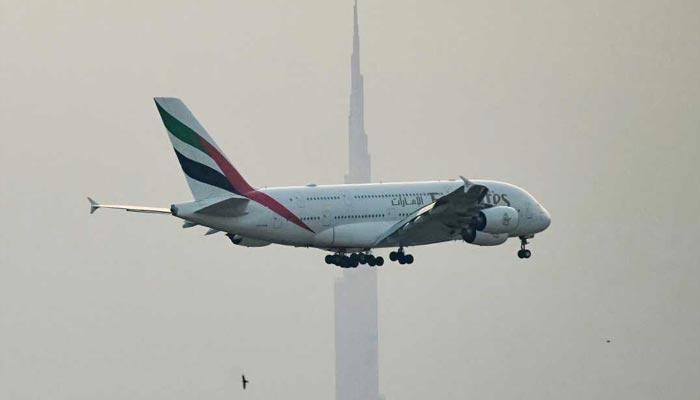
A large share of international travel from India depends on major transit hubs in the Gulf, including Dubai, Doha and Abu Dhabi. These airports serve as key global connectors, linking passengers from multiple cities to long-haul flights heading to Europe, North America and Africa.
If airspace restrictions force airlines to modify routes across the region, flight durations could increase and schedules may shift. While these transit hubs continue to operate normally, even small adjustments to regional flight paths can create delays or timetable changes across the wider aviation network.
Travellers Adjusting Their Plans
Despite the uncertainty, demand for international travel remains strong. Many Indian travellers are adapting by booking earlier, opting for flexible tickets, or selecting alternative transit routes to minimise potential disruptions.
Some travellers are also reconsidering destinations. Shorter international trips to Southeast Asia—or domestic holidays within India—are emerging as practical alternatives for families seeking more predictable travel plans this summer.
Destinations offering cooler weather, natural landscapes and cultural experiences within India may see stronger demand as travellers balance cost, convenience and flexibility in the months ahead.
Comments are closed.