

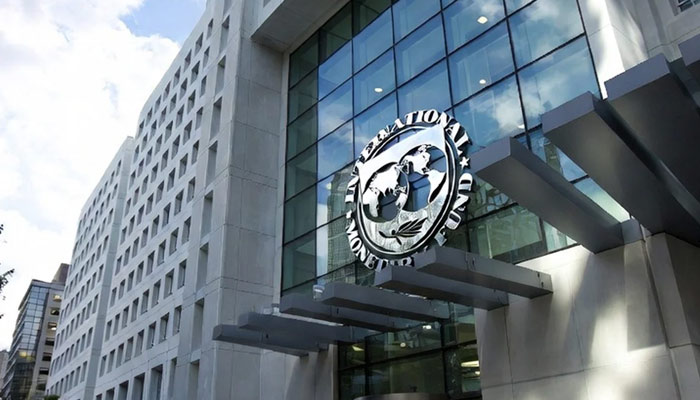
The International Monetary Fund (IMF) has issued a scathing 186-page Governance.
And Corruption Diagnostic Report on Pakistan, warning that corruption has become deeply embedded across the country’s political, judicial and economic systems. The assessment describes graft in Pakistan as “persistent and corrosive,” arguing that it now functions as a systemic force that distorts markets, weakens public institutions and undermines economic stability.
Elite Capture at the Core of the Crisis
The report identifies elite capture as the most damaging form of corruption, stating that privileged networks and entities — including those linked to the state — exert outsized influence over key sectors of the economy. This entrenched grip, the IMF says, has diverted public resources, discouraged investment and entrenched unfair competition.
Two decades of governance metrics place Pakistan among the world’s weakest performers in controlling corruption. The IMF cites an eye-catching figure: Rs 5.3 trillion in corruption-related recoveries between January 2023 and December 2024. However, it stresses that this represents only a fraction of the true economic loss, calling the sum “a narrow slice” of a much larger, largely unmeasured pool of damage.
Judiciary, Police and Bureaucracy Under Fire
In an unusually direct critique, the IMF highlights structural weaknesses in Pakistan’s judicial system, describing it as slow, complex and susceptible to political interference. These shortcomings, the report warns, prevent businesses from relying on courts to enforce contracts or protect property, creating conditions in which impunity flourishes.
Survey data referenced in the report paints a bleak picture of public confidence: 68% of Pakistanis believe anti-corruption institutions are used for political victimisation, while the judiciary and police rank among the country’s most mistrusted bodies.
Discretion Over Transparency
Across public administration — including tax systems, procurement, customs and state-owned enterprises — the IMF outlines wide gaps between written rules and actual practice. It notes that officials enjoy extensive discretionary authority with weak oversight, a combination that fuels corruption.
State-owned enterprises, which hold assets equivalent to 48% of Pakistan’s GDP, pose particularly high governance risks, the report warns. Their dominance also crowds out private sector activity and distorts competition.
Concerns Over the SIFC
The IMF raises fresh concerns about the Special Investment Facilitation Council (SIFC), the influential civil–military body handling major investment approvals. The report states that the council currently operates with “untested transparency and accountability provisions,” creating risks associated with concentrated and unchecked decision-making power.
For the first time, the IMF has called on Pakistan to publish a comprehensive annual SIFC report, disclosing all concessions, exemptions and regulatory relaxations issued through the body.
A Narrow Window for Reform
The IMF estimates that Pakistan could raise its GDP by 5% to 6.5% within five years if it undertakes a broad governance overhaul — including stronger judicial performance, improved procurement systems, reduced tax exemptions and rule-based fiscal management.
Without such reforms, the report warns, Pakistan risks remaining trapped in a cycle of weak growth, governance failure and recurring bailouts. The country, it says, will continue to be “economically brittle, politically unstable, and chronically reliant on external support” unless meaningful corrective action is taken.
Comments are closed.