

India Races to Avert Tariffs as US Deadline Nears; 500% Levy Still a Threat Under Russia Sanctions Bill.
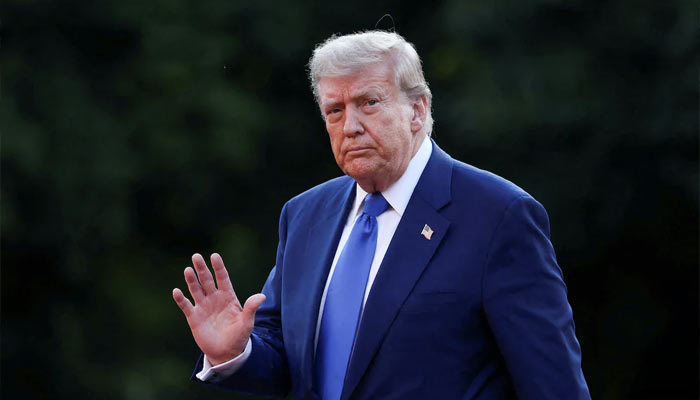
India is making a last-ditch effort to clinch a trade agreement with the United States ahead of an August 1 deadline for a new wave of tariffs announced by President Donald Trump. A fresh Indian delegation is expected to visit Washington soon in an attempt to resolve long-standing differences on duties related to auto components, steel, and farm goods.
While at least 14 countries have already received formal notices from the US about pending tariffs ranging between 25% and 40%, India has not yet been served such a notice—an indication that negotiations remain open, though time is running out.
Earlier discussions between Indian and US officials ended without resolution, largely due to disagreements over access for American agricultural exports and tariff reductions on high-value industrial goods. However, with the clock ticking, both sides appear to be revisiting proposals in hopes of reaching a limited deal.
500% Tariff Looms Under Russia Sanctions Bill
Adding urgency to the talks is a new bipartisan bill in the US Congress—The Sanctioning Russia Act of 2025—which could impose tariffs as high as 500% on nations that continue importing Russian oil and gas. The bill, introduced by Senators Lindsey Graham and Richard Blumenthal, specifically targets large buyers such as India and China.
While no such tariffs have been enacted, the threat has triggered alarm in New Delhi.
“It’s totally my option,” Trump told reporters when asked about the bill. “And I’m looking at it very strongly.”
Sankhanath Bandyopadhyay, chief economist at Infomerics Valuation and Ratings, warned that such measures could be devastating: “The 500% tariff is an extreme scenario, but the fact that it’s on the table underscores the geopolitical leverage being exercised. India needs to firmly highlight its energy security rationale and broader strategic alignment with the West.”
He added that the US itself continues to import Russian uranium, a fact that India should raise in negotiations.
Key Export Sectors Could Take a Hit
Beyond energy-related penalties, failure to finalise a broader trade deal could expose several of India’s high-performing export sectors to increased duties, including pharmaceuticals, electronics, marine products, gems and jewellery, and steel. According to Bandyopadhyay, Indian exporters could face losses ranging between $7–10 billion if tariff hikes are implemented.
Despite these risks, there are signs of possible progress. A Bloomberg report indicated that the US and India are nearing an interim trade deal that could limit proposed tariffs to under 20%—far lower than the hikes already confirmed for some Asian economies. Vietnam and the Philippines face tariffs of up to 20%, while Myanmar and Laos are bracing for 40% duties.
India’s Offer and the Sticking Points
India has reportedly proposed to narrow the tariff differential with the US from 13% to below 4%, including zero duties on 60% of American imports and preferential access for nearly 90% of US goods. In exchange, India is seeking relief from punitive tariffs and improved access for its labour-intensive exports—particularly textiles, seafood, and fruits such as bananas and grapes.
However, deep disagreements remain—especially in the agriculture and dairy sectors. The US has demanded lower tariffs on apples, nuts, and genetically modified crops, but India remains cautious due to domestic political opposition and concerns from smallholder farmers.
With the August 1 deadline fast approaching, the outcome of these negotiations could significantly shape the future of US–India trade relations—and determine whether India avoids joining the list of nations hit by Trump’s latest round of tariff enforcement.
Comments are closed.