

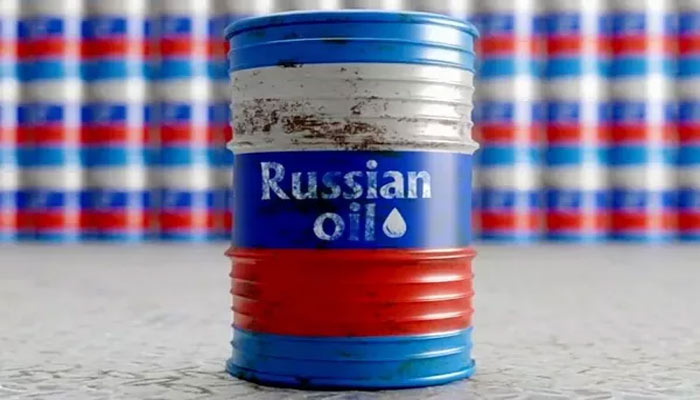
India’s Russian imports slide 40% in January as crude buying eases
India’s merchandise imports from Russia declined 40.5% year-on-year in January 2026, largely due to a slowdown in crude oil purchases. The dip comes amid evolving trade dynamics following an interim framework agreed under the India–United States trade arrangement.
According to a Hindustan Times report, India imported goods worth $2.86 billion from Russia in January 2026, compared with $4.81 billion in the same month last year. Petroleum crude—typically accounting for nearly 80% of India’s total imports from Moscow—was the key driver behind the contraction.
Crude slowdown weighs on trade
Between 2023 and 2025, India had ramped up purchases of discounted Russian oil following Western sanctions on Moscow after the Ukraine conflict. Russia’s share in India’s crude basket rose sharply over the years—touching 21.6% in 2022–23, 35.9% in 2023–24, and 35.8% in 2024–25.
However, January’s figures suggest a moderation in buying activity by Indian refiners. While some Russian cargoes continue to be booked, analysts indicate that procurement decisions remain guided by pricing advantages and supply security considerations. Given the dominance of crude oil in bilateral trade, any change in energy flows significantly impacts overall trade data.
Interim India-US trade framework
The import slowdown coincides with an interim trade framework between India and the US. Under the arrangement, Washington reduced tariffs on Indian goods to around 18%, rolling back elevated duties imposed in 2025. The US also withdrew a punitive 25% tariff that had targeted Indian exports linked to continued Russian oil purchases.
In exchange, India is expected to gradually expand imports of US-origin energy, technology, and other goods over the next five years, with bilateral trade targeted at approximately $500 billion. The agreement also includes cooperation on easing non-tariff barriers and strengthening economic coordination.
Tariff pressures and policy balancing
Previously, the administration of Donald Trump had imposed tariffs of up to 50% on certain Indian exports, tying trade penalties to India’s energy engagement with Russia. An executive order linked tariff relief to a commitment to curb Russian oil imports, with provisions allowing trade benefits to be reconsidered if import levels rose again.
The January trade data reflects how energy procurement, trade policy, and geopolitical considerations continue to intersect, shaping India’s external trade patterns in a shifting global landscape.
Comments are closed.