
Iran Says U.S. Nuclear Stance Becoming ‘More Realistic’ Ahead of Geneva Talks

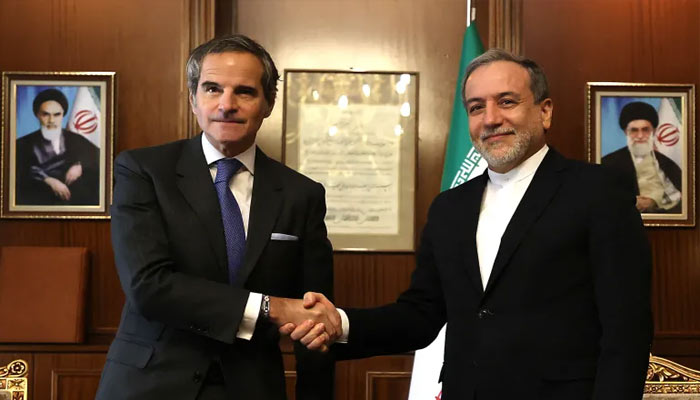
Iran said Monday that the US position on its nuclear programme appears to have “moved towards a more realistic one,” signalling guarded optimism ahead of a second round of indirect negotiations between the two sides.
Foreign ministry spokesman Esmaeil Baqaei, quoted by state news agency IRNA, said initial discussions in Muscat suggested a shift in Washington’s approach. “A cautious assessment is that… the US position on the Iranian nuclear issue has moved towards a more realistic one,” he said.
Iranian Foreign Minister Abbas Araghchi has arrived in Geneva to lead Tehran’s delegation in the Oman-mediated talks with the United States. The negotiations, scheduled for Tuesday, are expected to centre on Iran’s nuclear activities, though Washington has also sought to address Tehran’s ballistic missile programme and its regional influence.
The diplomatic engagement comes amid heightened military signalling. Iran’s Revolutionary Guards began exercises in the strategically vital Strait of Hormuz, a key shipping lane through which roughly one-fifth of global oil supplies transit. Iranian officials have previously warned that escalating tensions could affect navigation in the area.
US Secretary of State Marco Rubio expressed cautious optimism, saying Washington hopes for a negotiated solution while emphasising that the US prefers diplomacy over confrontation.
At the centre of the discussions is Iran’s stockpile of more than 400 kilogrammes of uranium enriched to 60 percent purity, a level close to weapons-grade. The material was last inspected in June by the International Atomic Energy Agency (IAEA). Ahead of the talks, Araghchi held what he described as “deep technical discussions” with IAEA chief Rafael Grossi.
Tehran has indicated it may consider limits on aspects of its nuclear programme if US sanctions are lifted, but insists it will not negotiate under pressure. Iranian officials say they are seeking a “viable” agreement that delivers tangible economic benefits, particularly in sectors such as aviation, mining, and oil and gas.
Meanwhile, Israel has reiterated its demand for the full dismantling of Iran’s enrichment capabilities and the removal of all highly enriched uranium — a position that could complicate broader diplomatic efforts.
With both sides signalling cautious flexibility but maintaining firm red lines, the upcoming round of talks is being closely watched as a potential turning point in efforts to revive or reshape a nuclear understanding.
Comments are closed.