
Kidney Patients Beware: These Popular Superfoods Might Be Hurting You

When “Healthy” Turns Harmful: 10 Foods Kidney Patients Should Rethink.
The kidneys are silent powerhouses—filtering blood, balancing minerals, and supporting over 2,000 crucial functions. But when kidney function begins to decline, even the healthiest of foods can turn into hidden threats.
Nutrient-dense staples like bananas, spinach, or even whole grain breads—typically championed for their benefits—can become dangerous for people with compromised kidney health. That’s because as kidney function diminishes, the body struggles to regulate essential minerals like sodium, potassium, and phosphorus.
“Sodium can raise blood pressure and accelerate kidney damage,” says Dr. Anoop M Gowda, Consultant Nephrologist & Transplant Physician, Apollo Hospitals, Seshadripuram.
“Potassium and phosphorus, when not excreted properly, can lead to heart rhythm disturbances, bone disease, and further kidney deterioration.”
Here’s a list of 10 common “healthy” foods that could do more harm than good if you’re living with reduced kidney function (typically stages 3–5 of chronic kidney disease):
- Bananas
Great for the heart, risky for kidneys. One banana packs around 420 mg of potassium, which can dangerously build up in kidney patients, increasing the risk of irregular heartbeats. - Spinach and Other Dark Leafy Greens
Yes, they’re rich in vitamins, but cooked spinach can contain 840 mg of potassium per cup, along with oxalates—compounds that may promote kidney stone formation. - Avocados
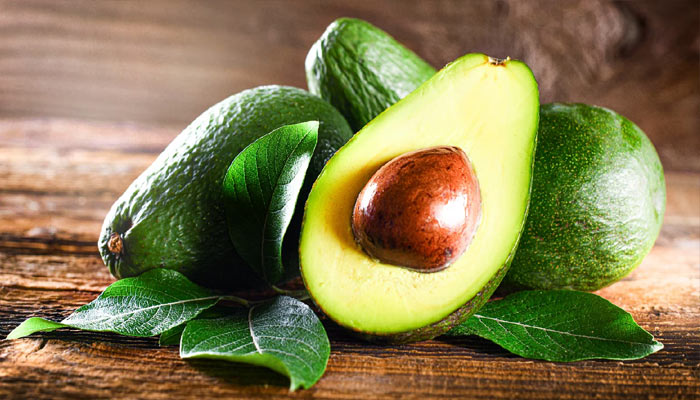
Beloved for their healthy fats, a single avocado has nearly 1,000 mg of potassium—more than double that of a banana. - Nuts and Seeds
Nutrient-dense but packed with phosphorus and potassium, especially almonds, pistachios, and sunflower seeds. Over time, phosphorus can lead to hardened blood vessels and bone issues. - Whole Grain Breads & Cereals
While generally a smart choice, many processed whole grain products include phosphorus additives, which are absorbed more readily and are tougher on damaged kidneys. - Low-Sodium Salt Substitutes
These are often misleading. Many replace sodium with potassium chloride, which can dangerously elevate potassium levels in kidney patients. - Orange Juice & Citrus Fruits
One cup of orange juice contains 470 mg of potassium. Citrus fruits are also high in vitamin C, which can boost oxalate levels, aggravating stone risk. - Tomatoes & Tomato Products
Tomatoes, especially in concentrated forms like paste or sauce, are potassium-rich. Just 1/4 cup of tomato paste may have over 650 mg of potassium. - Greek Yogurt
Praised for protein, yes—but also high in phosphorus and potassium, which can stress already damaged kidneys. - Dark Chocolate
Deceptively nutritious, dark chocolate is loaded with both potassium (200 mg/oz) and phosphorus—a double concern for kidney function.
Final Word
If you’re living with chronic kidney disease, always consult your nephrologist or dietitian before making dietary choices. Foods labeled “healthy” for the general population might not be safe for you—and managing potassium, sodium, and phosphorus levels could mean the difference between slowing down damage or accelerating decline.
Comments are closed.