
Lalit Modi tells Sunrisers Hyderabad group: ‘I know a thing or two about managing optics’

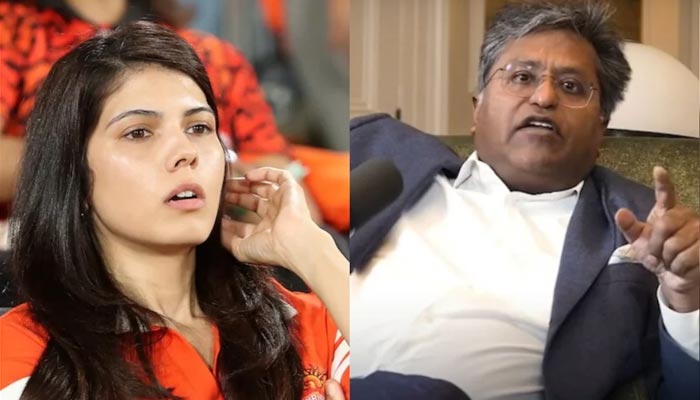
Former Lalit Modi has stepped into the controversy surrounding SunRisers Leeds’ signing of Pakistan spinner Abrar Ahmed for The Hundred, offering to help the franchise handle the backlash.
“Investing ₹2.34 crore on a Pakistani player when fans are already on edge? I know a thing or two about managing optics and building an empire. Call me,” Modi said in a video posted on X.
The move has triggered widespread criticism in India, with the franchise—part of the Sunrisers Hyderabad ownership group led by Kavya Maran—facing heat from multiple quarters.
ECB flags selection concerns
Even before the draft, the England and Wales Cricket Board had cautioned all eight franchises, reminding them to adhere to fair selection and anti-discrimination rules.
The warning followed reports that IPL-linked teams—Manchester Super Giants, MI London, Southern Brave and SunRisers Leeds—might avoid picking Pakistani players. With more than 60 Pakistan cricketers in the 2026 draft pool, the reports drew immediate scrutiny.
The ECB clarified that while franchises are free to make their own choices, those decisions must remain within regulatory boundaries.
Sunil Gavaskar leads criticism
Former India captain Sunil Gavaskar has emerged as a leading critic, framing the issue beyond cricket.
Writing in his column, Gavaskar argued that payments to Pakistani players eventually reach the Pakistani state via taxes, which, he claimed, could indirectly fund military activity against India. He added that this concern applies irrespective of whether the contract is signed by an Indian entity or an overseas subsidiary.
“The furore over signing a Pakistani player is hardly surprising. Since the Mumbai attacks in November 2008, IPL franchises have simply ignored Pakistani players,” Gavaskar wrote.
Bigger questions at play
The controversy raises a broader dilemma for Indian-owned franchises operating overseas: if financial flows remain unchanged, does the geography of a deal really make a difference?
For now, SunRisers Leeds finds itself at the centre of a debate that stretches beyond sport—into geopolitics, finance and public sentiment.
Comments are closed.