
‘Mindsets Don’t Change Overnight’: Chhaava Writer Responds to AR Rahman’s ‘Divisive’ Remark

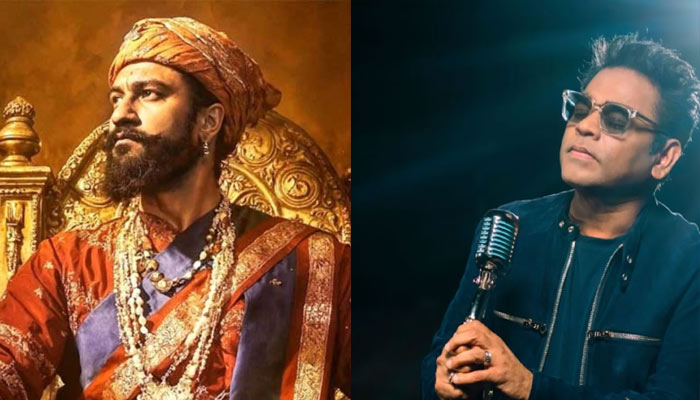
Weeks after music composer A. R. Rahman described Chhaava as “divisive” and admitted.
That some criticism of the film was understandable, writer Rishi Virmani has responded, arguing that cinema alone cannot reshape deeply entrenched beliefs. Directed by Laxman Utekar, the historical drama was a major commercial success but also became part of a broader political and cultural debate.
‘A Film Cannot Rewrite Mindsets’
Reacting to claims that the film contributed to social division, Virmani rejected the notion that a feature-length movie could significantly alter public thinking. “It is hard to believe that an entire mindset can be changed in just a couple of hours of screen time,” he said in an interview with Zoom TV.
He maintained that audiences are capable of forming their own judgments and that history shows viewers often respond to films in unexpected ways, regardless of prevailing narratives. “I have not seen this kind of attachment of the audience towards a film in a really long time,” Virmani added, pointing to the strong emotional connect the movie appeared to generate.
A Story Rooted in History
Chhaava traces the life of Sambhaji, the second ruler of the Maratha Empire. The film is adapted from the Marathi novel by Shivaji Sawant and was written by Utekar and Virmani along with Kaustubh Savarkar, Unman Bankar and Omkar Mahajan. Virmani also handled the dialogues.
The film features Vicky Kaushal in the lead role as Chhatrapati Sambhaji Maharaj, alongside Rashmika Mandanna as Yesubai Bhonsale and Akshaye Khanna as Mughal emperor Aurangzeb. Rahman composed the film’s music and background score.
Mounted on a reported budget of Rs 130 crore, the film grossed Rs 807.91 crore worldwide, according to Sacnilk. It became the third-highest-grossing Indian film of 2025, behind Dhurandhar and Kantara: Chapter 1.
Political Ripples
Despite its box-office triumph, the film sparked controversy and was linked to unrest in parts of Maharashtra. Chief Minister Devendra Fadnavis reportedly said the film had “ignited people’s anger against Aurangzeb.”
In an earlier interview with BBC Asian Network, Rahman reflected on the polarised response. “It is a divisive film. I think it cashed in on divisiveness, but I think the core of it is to show bravery,” he said, adding that viewers ultimately rely on their own conscience to separate narrative from manipulation.
As debate continues, Chhaava remains both a commercial juggernaut and a lightning rod in discussions around history, identity and the power of cinema.
Comments are closed.