
Nepal Prepares for COP-30 in Brazil, to Push Himalayan Conservation Agenda

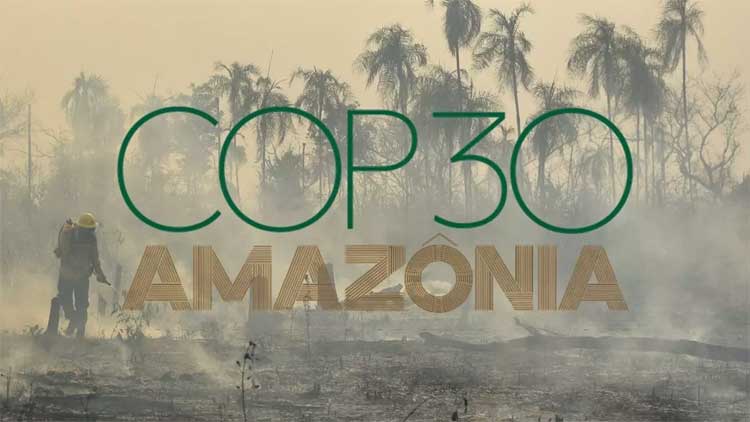
Nepal has begun formal preparations for the 30th Conference of the Parties (COP-30) under the UN Framework Convention on Climate Change (UNFCCC), scheduled for November 10–21 in Belém, Brazil. The summit will spotlight issues such as fossil fuel transition, biodiversity conservation, food systems, technology, and human development.
Nepal plans to foreground the outcomes of the Sagarmatha Sambaad, with particular emphasis on Himalayan conservation. A preparatory meeting chaired by the Ministry of Forests and Environment brought together the Brazilian ambassador, government officials, NGOs, and development partners to shape strategies.
Forest and Environment Minister Ain Bahadur Shahi Thakuri said the ministry has prepared an action plan to ensure Nepal’s effective participation, learning from previous COP sessions.
“We will engage with a coordinated team, taking all stakeholders’ voices into account. Key issues like climate finance, carbon trading, adaptation and mitigation measures, and loss and damage will be raised strongly,” he said.
Dr. Maheshwar Dhakal, head of the Climate Change Management Division, outlined ongoing preparations including pavilion and side event planning, drafting a national concept paper, inter-ministerial coordination, and consultation with Nepal’s Permanent Mission in New York. Nepal will also push discussions on Paris Agreement Article 6 and ensure high-level representation for its Nationally Determined Contributions (NDCs).
Nepal remains among the world’s most climate-vulnerable nations, with rapid Himalayan warming, glacial melt, landslides in hilly areas, and floods and droughts in the Terai and Madhes threatening lives and livelihoods. Marginalized communities, smallholder farmers, women, children, and the elderly are disproportionately affected.
Youth groups have urged the government to amplify their concerns at COP-30, including climate finance access, the Green Climate Fund, carbon markets, loss and damage mechanisms, and adaptation strategies, alongside the Sagarmatha Dialogue outcomes and Nepal’s best practices in climate action.
The government aims to send a high-level delegation, likely led by Prime Minister KP Sharma Oli, continuing Nepal’s tradition of head-of-state participation in five previous COP summits — a move seen as reinforcing its climate diplomacy and influence in global negotiations.
Scientific projections warn that Himalayan temperatures could rise 0.3–0.7°C above the global average, altering rainfall patterns and intensifying disasters, further compounding Nepal’s climate risks.
Comments are closed.