

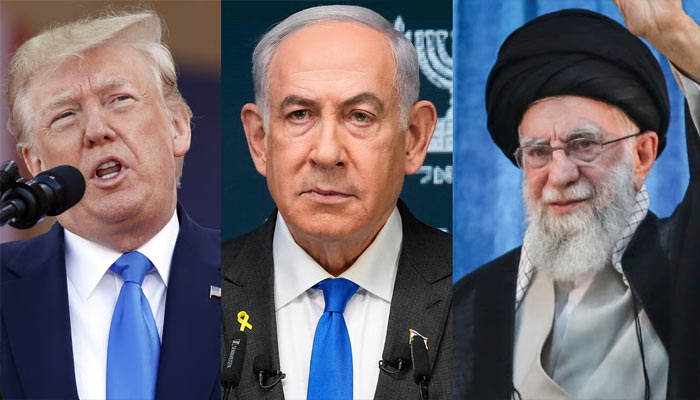
Netanyahu Vows to Strike Iran’s Nuclear Sites Without U.S. Backing as Conflict Escalates.
As hostilities between Iran and Israel escalate, Israeli Prime Minister Benjamin Netanyahu has asserted that Israel is prepared to strike all of Iran’s nuclear facilities—with or without U.S. support. Speaking in a Hebrew-language interview with the Kan public broadcaster, Netanyahu said, “We will achieve all our objectives and hit all of their nuclear facilities. We have the capability to do that.”
Netanyahu made it clear that Israel will not wait for a green light from Washington before launching further strikes, including on Iran’s heavily fortified Fordo nuclear facility, which is buried under a mountain and considered impervious to all but the U.S.’s most powerful bunker-buster bombs.
“Whether Donald Trump wants to join or not, that’s entirely his decision. He’ll do what is good for the United States, and I’ll do what is good for the State of Israel,” Netanyahu added.
While Netanyahu stressed that regime change in Iran is ultimately “a matter for the Iranian people,” he reinforced Israel’s resolve to act unilaterally if necessary.
Expanded Israeli Strikes, Including Deep Into Iranian Territory
Israel’s military campaign has increasingly targeted key Iranian nuclear infrastructure. Airstrikes have hit the enrichment facility at Natanz, centrifuge production sites near Tehran, and strategic targets in Isfahan. Israeli forces have also destroyed numerous ballistic missile launchers, which officials claim has contributed to a reduction in Iranian missile attacks since the conflict began on June 13.
In a significant development, Israeli airstrikes reportedly reached the northern Iranian city of Rasht near the Caspian Sea early Friday. Residents were warned to evacuate parts of Rasht’s Industrial City, although with internet blackouts in place across Iran, it remains unclear how widely the warnings were received.
Trump Hints at U.S. Military Action, Keeps World Guessing
Former U.S. President Donald Trump, who may seek a return to the White House, said Thursday that he would decide “within two weeks” whether to directly involve U.S. forces in the conflict. Trump referenced a “substantial chance” of renewed nuclear talks with Tehran, even as he oscillated between threatening rhetoric and calls for diplomacy.
Earlier this week, Trump posted on social media about targeting Iran’s Supreme Leader Ayatollah Ali Khamenei and demanding Iran’s “unconditional surrender.” The aggressive stance has exposed divisions within the Republican Party—between traditional hawks and newer isolationist voices.
Iran Vows Retaliation, Denies Weapons Ambitions
Iran’s leadership remains defiant. Ayatollah Khamenei warned of “dire consequences” for Israel and rejected any talk of surrender or imposed peace. He reaffirmed that Iran would “respond harshly” to Israeli attacks.
Tehran insists its nuclear program is peaceful, but its enrichment of uranium to 60%—just below weapons-grade levels—has alarmed international observers. Iran remains the only non-nuclear-weapon state to enrich uranium at such high levels under the Non-Proliferation Treaty (NPT).
Thursday night saw widespread anti-aircraft fire over Tehran and Isfahan. State media claimed there was “no radiation danger” at the Arak heavy water facility, which had reportedly been evacuated in advance of Israeli strikes.
Casualties and Ongoing Threat
The Human Rights Activists News Agency (HRANA) reported that 639 people have been killed in Iran since the Israeli air campaign began. Among the casualties are senior Iranian military officials and nuclear scientists.
Israeli officials say at least two dozen civilians have died in Iran’s retaliatory missile and drone attacks, which have targeted civilian areas across central and southern Israel.
The situation remains volatile, with international diplomatic efforts stalled, and fears mounting over a broader regional war.
Comments are closed.