
Ola, Uber Get Regulatory Nod to Charge Up to Double During Peak Hours

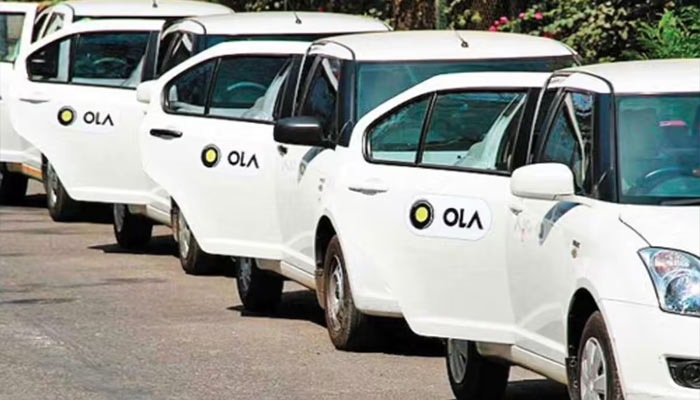
Govt Approves Surge Pricing up to 2x for Ola, Uber; Green Light for Bike Taxis Under MVAG 2025.
Cab aggregators such as Ola and Uber can now charge up to twice the base fare during peak hours, following the release of the Motor Vehicles Aggregator Guidelines (MVAG) 2025 by the Ministry of Road Transport and Highways. The updated rules, issued on July 1, raise the previous surge pricing cap from 1.5x to 2x and offer more flexibility to operators in high-demand scenarios.
States have been asked to implement the revised guidelines within three months.
According to the Ministry, the goal is to balance operational freedom with regulatory oversight, while enabling aggregators to respond to real-time demand fluctuations.
Bike Taxis Get Official Backing — With Conditions
In a significant policy shift, private (non-transport) motorcycles can now be used for passenger rides via aggregators — subject to state government approval. The move formally recognizes bike taxis as a legal shared mobility option.
“The state government may allow aggregation of non-transport motorcycles for journey by passengers… as shared mobility through aggregators,” the guidelines state, citing objectives such as reducing congestion, lowering emissions, and improving last-mile connectivity.
States will also be empowered to impose daily, weekly, or fortnightly fees on such services under Clause 23 of the new framework.
Industry Reactions: Rapido, Uber Welcome Reforms
Bike taxi operators like Rapido, which have operated in legal limbo in states like Karnataka, hailed the move as “a milestone” in India’s journey toward Viksit Bharat.
“The change will improve last-mile connectivity and boost affordable mobility in underserved areas,” Rapido said in a statement.
Uber also welcomed the guidelines, highlighting the benefits of regulatory clarity and innovation.
“Timely adoption by states is key to ensuring uniform implementation and predictability for all stakeholders. We commend the ministry’s consultative and balanced approach,” a spokesperson said.
A Shift in Mobility Policy
The MVAG 2025 replaces the 2020 guidelines and reflects India’s evolving urban mobility needs — from the rise of bike taxis and e-rickshaws to growing demand for flexible pricing and electric vehicles.
The Ministry said the revised rules aim to uphold passenger safety, driver welfare, and operational transparency, while maintaining a light-touch regulatory model suited to emerging transport modes.
Comments are closed.