
Pakistani Social Media Accounts Face Renewed Ban Amid Growing Backlash

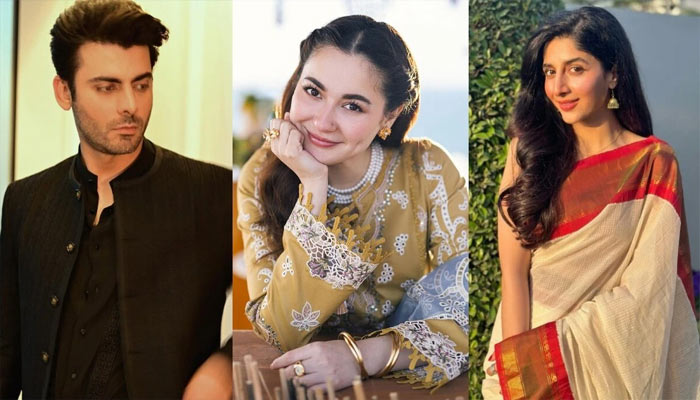
In a fresh twist to the ongoing digital clampdown, several prominent Pakistani celebrities once again found their social media accounts inaccessible in India by Thursday morning — just a day.
After the restrictions were seemingly lifted. This sudden reinstatement of the ban has reignited debates on censorship, cross-border relations, and digital freedom.
Prominent accounts go dark again
Instagram and Twitter profiles of celebrities such as Hania Aamir, Mahira Khan, Shahid Afridi, Mawra Hocane, and Fawad Khan were re-blocked for Indian users, despite briefly resurfacing on Wednesday. The brief restoration had sparked speculation that India might be rolling back its earlier restrictions — a move many viewed as a potential softening of stance following public and fan-driven backlash.
On July 2, Indian users had noticed the return of several Pakistani entertainment platforms and personalities on social media, including YouTube channels like Hum TV, ARY Digital, and Har Pal Geo, as well as Instagram profiles of Saba Qamar, Ahad Raza Mir, Yumna Zaidi, and Danish Taimoor.
Digital ban reaffirmed, but no official word
By Thursday, however, users trying to access these profiles were met with the message: “Account not available in India. This is because we complied with a legal request to restrict this content.” The same message appears across multiple accounts, indicating the renewed enforcement of legal orders under India’s content regulation framework.
Despite the visible restrictions, the Indian government has yet to release any formal statement explaining the brief unblocking or the subsequent reinstatement of the ban. The Ministry of Information and Broadcasting remains silent, further fueling confusion over the policy direction.
Backdrop of rising tensions
The original social media bans had been imposed amid escalating tensions between India and Pakistan following Operation Sindoor, India’s military strike targeting terror networks in Pakistan and Pakistan-occupied Kashmir (PoK). The operation drew sharp reactions from across the border, with several Pakistani public figures criticising India’s actions.
Their remarks triggered a wave of nationalist backlash in India, prompting calls for the geoblocking of their content and social media presence. Platforms like Instagram, YouTube, and Twitter complied with government requests under regional content laws to restrict access.
Public reaction and concerns
The ban has been polarising. While some argue it is justified amid national security concerns, others see it as a suppression of art, culture, and free expression. Social media users and fan communities in both countries have voiced frustration over the growing digital divide, especially when content shared is unrelated to politics or national discourse.
As tensions continue and the situation remains fluid, all eyes are now on whether India will issue a formal stance or maintain this quiet, case-by-case enforcement of digital geoblocking.
Comments are closed.