
“Philippines Could Be Pulled Into Taiwan Conflict Due to Geography: Marcos”

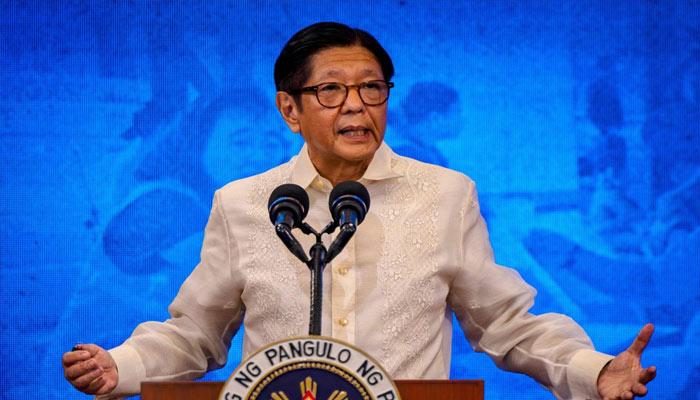
Philippine President Ferdinand Marcos Jr. has said the Philippines could inevitably be drawn into any future conflict involving Taiwan because of its geographical proximity and the large Filipino community living on the island.
Speaking to Japanese media in Manila ahead of his state visit to Japan next week, Marcos said the Philippines would have little choice but to deal with the consequences of any confrontation across the Taiwan Strait.
“We do not really have a choice because Taiwan is so close to the Philippines and we have nearly 200,000 Filipinos living and working there,” Marcos said.
While emphasising that Manila does not want to be part of any war, Marcos acknowledged that geography alone makes the country vulnerable to the fallout of a potential conflict.
“If there is an actual confrontation, just looking at the map tells you that the northern Philippines will inevitably feel the effects,” he added.
Marcos has previously made similar remarks regarding tensions over Taiwan. Last year, he warned that any war involving Taiwan could drag the Philippines “kicking and screaming” into a broader regional conflict, comments that reportedly triggered criticism from China.
The remarks come at a time of growing tension in the Indo-Pacific region, with military activity around Taiwan and the South China Sea continuing to intensify.
The Taiwan issue was also reportedly discussed during the recent meeting between US President Donald Trump and Chinese President Xi Jinping in Beijing.
According to reports, Xi warned that mishandling the Taiwan issue could lead to direct confrontation. Trump later stated that Xi did not want to see Taiwan move toward formal independence because it could provoke a serious conflict.
Trump also said the United States was not seeking war over Taiwan and called for tensions in the region to cool down.
Meanwhile, Taiwan has continued to assert its sovereignty, maintaining that it is an independent democratic nation and not subordinate to China.
Concerns over regional security have also increased following fresh military exercises conducted by China across the Taiwan Strait and the wider Indo-Pacific region.
Taiwan Premier Cho Jung-tai described China as the “greatest source of regional unease and instability,” citing Beijing’s repeated military drills near Taiwan, the South China Sea, and Japanese waters.
China’s navy recently confirmed that the aircraft carrier Liaoning and its accompanying task force had been deployed to the Western Pacific for live-fire exercises aimed at improving combat readiness. Beijing insisted the drills were routine and fully compliant with international law.
Despite the rising tensions, Taiwan reiterated its willingness to maintain dialogue with Beijing based on what it described as equality and mutual dignity.
Marcos is also expected to discuss regional security issues during his upcoming meeting with Japanese Prime Minister Sanae Takaichi.
The Philippine President said both Japan and the Philippines were facing similar challenges involving coercive actions in disputed waters and that Manila wanted greater clarity on Tokyo’s future security role in the region.
At the same time, Marcos stressed that the Philippines was continuing diplomatic engagement with China in an effort to preserve regional peace and stability, adding that senior officials from both countries were expected to meet again within the next month.
Comments are closed.