
Poor Sleep Cycles May Disrupt the Liver’s Natural Detox Process, Experts Warn

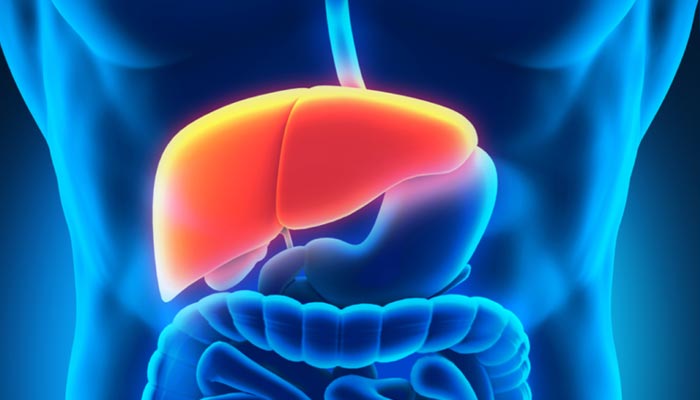
Why Poor Sleep Cycles Can Disrupt Your Liver’s Natural Detox Process.
From filtering toxins and processing nutrients to regulating metabolism and supporting immunity, the liver carries out hundreds of vital functions every day. But much of its repair and detoxification work happens while we sleep. When sleep becomes irregular or insufficient, this natural rhythm can be disrupted, potentially affecting how efficiently the liver performs its metabolic duties.
Doctors say the growing trend of poor sleep habits — including excessive late-night screen time, irregular work schedules and disrupted sleep patterns — is quietly affecting liver health.
“While people think of sleep as the body’s rest period, the liver actually becomes very active during this time,” says Dr Sanjay Khanna, Co-Chairman at the Manipal Institute of Gastroenterology, Hepato-Biliary and Pancreatic Sciences at Manipal Hospitals in Dwarka, New Delhi. “The liver follows a circadian rhythm that regulates processes such as glucose metabolism, bile production and detoxification. Deep and uninterrupted sleep helps maintain this rhythm.”
Echoing the same concern, Dr Harshavardhan Rao B., Head of Medical Gastroenterology at Ramaiah Memorial Hospital in Bengaluru, says sleep is often overlooked when people think about liver health.
“The liver is the body’s central organ for detoxification and metabolism. Despite the popularity of detox drinks and cleanses online, the most powerful detox tool you actually have is proper sleep,” he explains.
The Liver’s Internal Clock
Like many organs in the body, the liver operates according to a 24-hour circadian rhythm that regulates its activity throughout the day. During daytime hours, the liver mainly focuses on processing nutrients from food, maintaining energy balance and regulating blood sugar and fats.
At night, however, the organ shifts into a deeper restorative phase, carrying out repair processes and detoxifying harmful substances.
What Happens When Sleep Is Disrupted
Sleep deprivation does far more than leave you feeling tired the next day. Over time, it can trigger metabolic changes that place stress on the liver.
According to Dr Khanna, insufficient sleep increases cortisol levels and contributes to insulin resistance, both of which increase metabolic pressure on the liver.
Chronic sleep disruption can also influence eating habits and body weight. “Poor sleep alters hormonal signals that control hunger and satiety. This often leads to increased sugar cravings, unhealthy eating patterns and weight gain, which ultimately contribute to fat accumulation in the liver,” says Dr Rao.
The Hidden Impact Of Late-Night Eating
Late-night snacking or heavy dinners can further disturb the liver’s schedule. When food is consumed late, the liver is forced to return to digestion and nutrient processing when it should be focusing on detoxification and repair.
“It’s not just about how long you sleep, but also what you do before bedtime,” says Dr Rao. “Late-night eating forces the liver to process nutrients at a time when it should be carrying out other essential functions such as immune regulation and protein synthesis.”
Over time, these disruptions may increase the risk of chronic conditions including diabetes, heart disease and stroke.
Can Detox Supplements Replace Sleep?
Despite the growing popularity of detox juices and supplements claiming to improve liver health, doctors say they cannot replace the natural repair processes that occur during sleep.
Dr Rao notes that most detox products lack strong clinical evidence. “The hormonal and cellular environment created during deep sleep supports liver repair and detoxification far more effectively than any supplement,” he says.
Another common myth is that lost sleep can simply be compensated for over the weekend. While catching up on rest may provide temporary relief, irregular sleep schedules can still disrupt the circadian genes that regulate liver function.
- Simple Habits To Support Liver Health
- Experts say a few simple lifestyle changes can help protect the liver’s natural detox cycle:
- Aim for 7–9 hours of quality sleep each night
- Maintain a consistent sleep schedule
- Avoid late-night meals, alcohol and sugary drinks before bedtime
These habits allow the liver to use nighttime hours for cellular repair and detoxification rather than digestion.
Comments are closed.