
Rahul Bhat Shines in Career-Defining Turn in Anurag Kashyap’s Gritty ‘Kennedy’

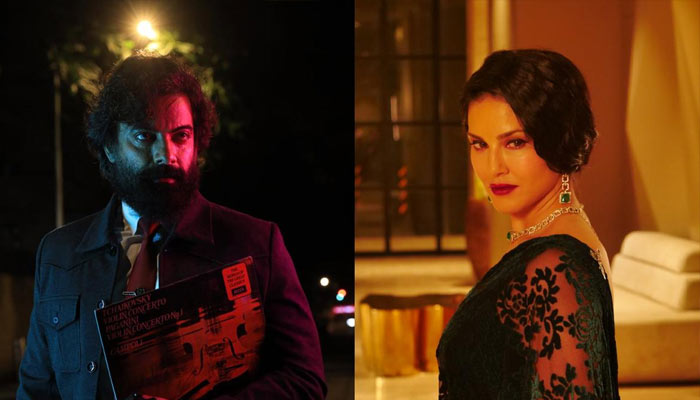
Dark, macabre and defiantly abrasive, Kennedy spent nearly three years in limbo before finally finding a home.
After earning a standing ovation at the Cannes Film Festival and travelling the global festival circuit, the film remained frustratingly out of reach for mainstream audiences. Its eventual arrival on ZEE5 feels less like a digital release and more like the unveiling of a long-sealed confession. What emerges is not a conventional thriller but a fever dream about corruption, grief and the moral rot within systems of power.
Set in a pandemic-stricken Mumbai, director Anurag Kashyap turns the deserted cityscape into a character of its own. Empty streets, masked faces and flickering television bulletins create an atmosphere of suspended dread. The lockdown silence amplifies every whisper of conspiracy. The film begins with quiet restraint before spiralling into something far more incendiary, bending the grammar of neo-noir into a psychologically corrosive experience.
At its centre is Kennedy, played with remarkable control by Rahul Bhat. By day, he is a near-invisible chauffeur navigating luxury clients through a frozen metropolis. By night, he operates as a contract killer on the payroll of Police Commissioner Rasheed Khan, portrayed with chilling calm by Mohit Takalkar. Kennedy was once Uday Shetty, an earnest cop who entered the force hoping to fight corruption but became swallowed by it.
A botched interrogation involving gangster Saleem’s associate leads to the accidental killing of a young man named Chandan. The incident brands Uday a “killer cop” in the media. Retaliation follows swiftly: a car bomb meant as revenge claims the life of his son, shattering what remains of his moral compass. With help from Rasheed, Uday stages his disappearance and re-emerges as Kennedy — a ghost embedded within the very system he once tried to reform.
From there, the film charts his descent with unsettling precision. Kennedy executes assignments with mechanical efficiency, eliminating businessmen, political aides and anyone deemed inconvenient. The pandemic backdrop intensifies the moral vacuum; corruption mutates as financial channels dry up. The police function less like guardians of law and more like an organised syndicate scrambling to maintain leverage.
One of the film’s most intriguing dynamics emerges through Charlie, played with surprising vulnerability by Sunny Leone. Introduced as collateral in a corrupt transaction, she becomes an emotional counterpoint to Kennedy’s numb brutality. Their interactions are charged with tension and a fragile yearning for redemption neither fully articulates. Through Charlie, the film briefly hints at the possibility of grace, only to undercut it with harsher realities.
Kashyap’s political commentary runs quietly but sharply beneath the narrative. References to performative pandemic rituals, sensationalist media behaviour and the widening gulf between power brokers and ordinary citizens are woven into dialogue rather than announced in grand speeches. The critique is murmured, not shouted, trusting the audience to connect the dots.
The film’s sonic landscape further heightens its impact. Operatic swells merge with jazz-inflected undertones, and fragments of poetry drift through scenes like uneasy conscience. The score crescendos into an eleven-minute orchestral surge that mirrors Kennedy’s psychological unravelling, culminating in an ending that refuses catharsis. As sirens wail and past sins close in, the film cuts to black at its most agonising moment, denying the comfort of resolution.
What ultimately elevates Kennedy is Bhat’s performance. His hollow gaze, measured physicality and restrained baritone communicate trauma without melodrama. He resists the temptation to humanise the character too easily, allowing the audience to wrestle with discomfort. You may not absolve Kennedy, but you come to understand the machinery that manufactured him.
The film’s deliberate pacing and non-linear structure demand patience, and its bleakness will not appeal to all viewers. Yet its immersive night cinematography, layered performances and uncompromising climax make it one of Kashyap’s most haunting works in recent years.
Kennedy is more than a crime saga. It is a study of systemic decay and personal collapse, wrapped in the aesthetics of noir but driven by political unease. Delayed though its journey has been, its impact lingers long after the screen fades to black.
Comments are closed.