
Red Fort blast probe: Car linked to explosion traced through Connaught Place and Mayur Vihar

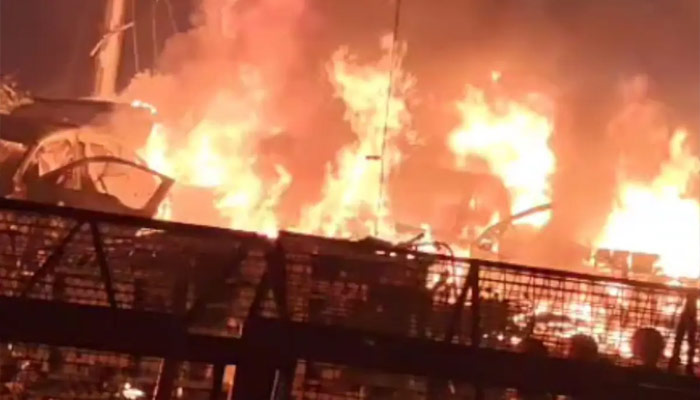
Fresh leads have given investigators a clearer picture of the deadly car blast near Delhi’s Red Fort.
That killed 12 people on Monday, with CCTV and forensic evidence helping trace the i20 vehicle’s movements across multiple locations before the explosion.
According to officials, the car was first parked near the Al-Falah University campus in Haryana’s Dhouj on November 10, before being moved to Old Delhi. CCTV footage later showed the same vehicle in Connaught Place around 2:30 pm and again in Mayur Vihar, indicating it travelled through several busy parts of the capital ahead of the blast.
Investigators are now examining whether the bomb used high-grade military explosives, with initial forensic reports suggesting a mix of ammonium nitrate and a more potent explosive substance. The Forensic Science Laboratory (FSL) team has collected over 40 samples from the blast site, including two cartridges—one of them containing live ammunition.
A special FSL unit has been set up to analyse the samples and expedite the findings, officials said.
The probe has also widened beyond Delhi. Earlier, in a related operation in Faridabad, police recovered 360 kg of ammonium nitrate after arresting Dr Muzammil Ganaie and Dr Shaheen Saeed, both linked to Al-Falah University. Sources believe the module’s handler may be operating from outside India.
Meanwhile, Delhi remains on high alert, with the police conducting large-scale checking drives across the city. Security has been tightened at all major entry and exit points, including Ghazipur, Singhu, Tikri, and Badarpur borders, as well as metro stations, railway terminals, and marketplaces.
Comments are closed.